

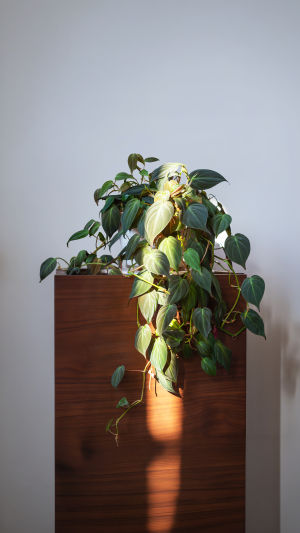
Philodendrons are among the most versatile and eye-catching houseplants.
With hundreds of species native to tropical America, they offer lush, glossy foliage that can cascade from shelves or climb poles for dramatic indoor greenery.
Easy to grow and adaptable, these plants add instant tropical flair—but understanding their needs ensures they flourish year-round.
<h3>Philodendron Varieties and Growth</h3>
Philodendrons include both vining and upright types. Vining varieties can trail from hanging pots or be trained to climb supports such as moss poles, obelisks, or trellises. Upright types make excellent statement foliage plants in containers.
Some varieties thrive in humid environments like bathrooms and kitchens, while others prefer drier conditions and should be watered sparingly. Regardless, most philodendrons tolerate a range of indoor conditions.
<h3>Safety Considerations</h3>
All philodendrons are toxic to humans and pets. Keep plants out of reach of children, cats, and dogs to avoid accidental ingestion. Additionally, the sap may irritate sensitive skin. Wear gloves when handling or pruning to prevent discomfort.
<h3>Watering</h3>
Allow the top third of the compost to dry before watering. Check moisture levels with your finger to avoid overwatering, which can cause root rot.
Watering frequency depends on light and temperature. Plants on bright windowsills may need weekly watering, while those in darker areas or cooler conditions may only need water every two weeks.
<h3>Light Requirements</h3>
Philodendrons thrive in bright, indirect light. North-, northeast-, or northwest-facing locations are ideal. Avoid direct sunlight from south- or west-facing windows, which can scorch leaves. If these are your only light sources, position the plant about one meter away from the window.
<h3>Soil and Containers</h3>
Transparent orchid-style pots provide excellent air circulation for roots. Use potting mixes specifically formulated for philodendrons or monsteras, rich in perlite and bark for good drainage and nutrient retention.
Alternatively, mix peat-free houseplant compost with orchid compost to improve soil aeration and prevent waterlogging.
<h3>Fertilising</h3>
While indoor philodendrons rarely flower, feeding is essential for healthy foliage. Apply liquid fertilizer once every third watering throughout the year.
Maintain consistent nutrition even during slower growth periods in autumn and winter to support vibrant, glossy leaves.
<h3>Temperature and Humidity</h3>
Typical household conditions between 15°C and 30°C are ideal. Avoid exposing plants to extreme heat or cold drafts.
Most philodendrons tolerate average humidity, but higher humidity benefits thin-leaved varieties, encouraging lush growth.
<h3>Pruning and Maintenance</h3>
Allow yellowing leaves to brown before removing them. The plant recycles nutrients from dying foliage, supporting growth elsewhere.
Regular pruning helps maintain shape and encourages new leaf production.
<h3>Staking and Support</h3>
Young philodendrons often need staking for the first two years. Insert a moss pole or wooden support into the soil for the stem to climb. Avoid removing roots that attach to the support, as this may interrupt growth. Supporting climbing stems encourages stronger, healthier development.
<h3>Summary</h3>
Philodendrons are adaptable, attractive, and low-maintenance houseplants that bring tropical beauty indoors. By providing indirect light, careful watering, suitable soil, and support for climbing varieties, your philodendron will grow robust foliage and thrive in a range of indoor conditions. Regular pruning and mindful care ensure your plant remains a vibrant centerpiece in any home.


