

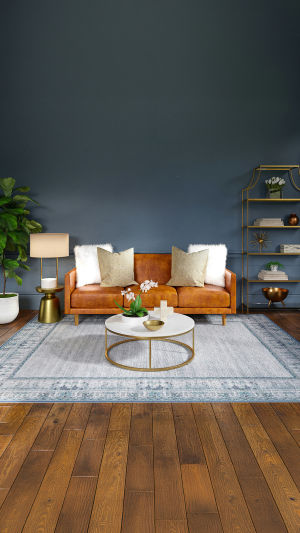
When it comes to designing a comfortable and stylish living space, few choices are as important as selecting the right sofa.
A sofa is not only the focal point of the room but also one of the most significant pieces of furniture in terms of comfort and functionality.
While many people focus on the style and fabric, the color of your sofa plays a crucial role in shaping the mood and aesthetics of the entire space.
Choosing the perfect sofa color can feel like a daunting task, but with a few helpful guidelines, you can make an informed decision that enhances your home's decor. In this article, we'll explore different factors to consider when selecting a sofa color, from your existing color scheme to the practicalities of cleaning and maintenance.
<h3>Consider the Existing Color Scheme</h3>
Before you decide on a color, take a step back and assess the overall color palette of your living room. A sofa is a large, eye-catching piece, so you'll want it to complement the surrounding colors rather than clash with them. There are two main approaches to consider:
- Matching with Existing Colors: If your living room already has a dominant color theme—whether it's neutral tones like beige, gray, or white, or vibrant shades like teal or mustard—select a sofa that either matches or complements those tones. A neutral-colored sofa can seamlessly blend into any room, while a bold color can make a statement and bring vibrancy to your space.
- Contrasting for Visual Interest: Alternatively, you can choose a sofa color that contrasts with the room's existing colors to create a dynamic look. For example, a dark blue sofa can stand out beautifully in a room with light-colored walls and furniture. Just make sure that the contrast isn't too harsh or overwhelming.
<h3>Functionality and Practicality: Lifestyle Considerations</h3>
While color is undoubtedly important, the functionality of your sofa should also be taken into account. For instance, how often do you entertain guests? Do you have children or pets? Will your sofa undergo heavy use, or is it more for decorative purposes?
- Light vs. Dark Colors: Lighter-colored sofas, such as beige, cream, or pastel hues, offer a serene and airy feeling but may show dirt or stains more easily. On the other hand, darker colors, like charcoal gray, navy blue, or deep brown, tend to hide dirt and stains better, making them ideal for households with children or pets.
- Durable Fabrics: Consider the durability of the fabric in relation to the color. Some light-colored fabrics may require more maintenance or may show wear and tear faster. Fabrics like leather or microfiber are more durable and can handle daily use without losing their charm.
<h3>Room Size and Light: How Color Affects Space</h3>
The size of your room and the amount of natural light it gets can significantly influence how a sofa's color looks. If you're working with a smaller room, choosing the right color can make a huge difference.
- Lighter Colors for Small Spaces: Light-colored sofas, such as whites, beiges, and soft pastels, can make a small room feel larger and more open. These hues reflect light, brightening up the space and making it feel less cramped.
- Darker Colors for Larger Rooms: If your room is spacious and filled with natural light, darker shades can add depth and warmth. A rich, dark-colored sofa in a larger living area can provide a cozy, inviting atmosphere.
<h3>Timeless vs. Trendy: Longevity of Sofa Color Choices</h3>
When choosing a sofa color, consider how long you plan to keep the piece. Some colors are more timeless, while others might be trendy but risk going out of style quickly.
- Timeless Neutrals: Neutral colors like gray, taupe, and ivory are classic choices that never go out of style. They work well in most settings, providing flexibility when it comes to future updates in decor.
- Bold and Trendy Hues: If you enjoy playing with trendy colors and patterns, don't be afraid to experiment. Rich jewel tones like emerald green or deep plum can give your living room a bold and contemporary look, but remember these colors may not have the same lasting appeal as more neutral options.
<h3>Conclusion: Finding the Perfect Sofa Color</h3>
Selecting the right sofa color requires balancing aesthetics with practicality. The key is to choose a color that not only complements the rest of your room but also fits your lifestyle and needs. Whether you opt for a timeless neutral or a bold, contrasting hue, your sofa should reflect your personality and enhance the overall ambiance of your living space.
As you make your choice, keep in mind the room's lighting, size, and existing color scheme, and don't forget about the long-term upkeep. With careful thought and planning, your new sofa will not only be a comfortable seating option but also a statement piece that ties your entire room together.


