

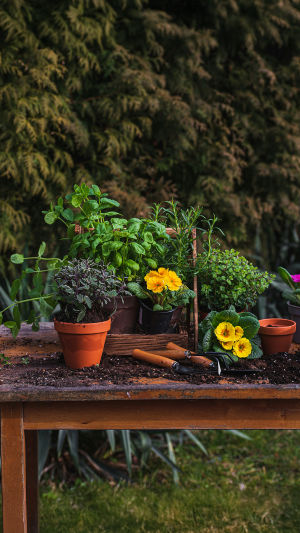
We all love having potted plants at home, but one of the biggest mistakes we make is repotting them too quickly or at the wrong time. Especially with newly bought plants or those currently flowering or fruiting, patience is key.
Repotting isn’t just moving soil around—it’s about choosing the right moment and giving your plants the best chance to thrive. For plants that have been with us for a year or two, we should always check their roots and overall growth before deciding to repot.
<h3>When to Repot</h3>
The best time to repot most plants is in spring, when temperatures are consistently above 15°C (59°F). Spring repotting gives plants a longer growing season, covering spring, summer, and autumn, so by winter their roots are well-established to handle cooler conditions.
Avoid repotting plants immediately after bringing them home. Do not repot during flowering or fruiting periods, or in extreme temperatures—over 35°C (95°F) or below 15°C (59°F). For indoor leafy plants, using clear or transparent pots is ideal, allowing us to monitor root growth easily.
In regions with mild climates year-round, repotting can also be done in autumn. After repotting, plants gain more space for roots to grow, usually establishing roots before producing new shoots and leaves.
Some spring-flowering plants, like gardenias, jasmines, certain orchids, and kalanchoes, may perform better if repotted in autumn instead of spring, as repotting in spring can reduce blooming.
For most ornamental plants, especially those flowering in summer, autumn, or winter, spring is the safest time. Plants with rotting roots or soil problems should be repotted immediately to prevent further damage.
<h3>How Often to Repot</h3>
We should repot only when necessary. If roots have filled the container or soil nutrients are depleted, it’s time. Soil that lacks organic matter, trace elements, or beneficial microorganisms won’t support rapid growth, even with added fertilizer.
New gardeners should avoid repotting too casually, especially with large or established plants, because the risk of plant shock is higher. Repotting can also affect flowering, so it’s better to avoid it one to two months before bloom periods.
If a plant is growing normally—producing new leaves, shoots, and roots—no repotting is needed. Regular watering, fertilizing, and proper light management are enough. Signs that repotting is required include soil drying too quickly, smaller leaves, or compacted soil that prevents water absorption.
The simplest way to check is lifting the container and observing roots at the drainage holes. For smaller plants, we can invert the container, gently remove the soil, and inspect the roots. Roots filling the container or showing rot are clear signs it’s time for fresh soil and a larger container. Most plants need repotting every one to two years, depending on growth rate.
<h3>Why Repotting Matters</h3>
Soil provides nutrients, organic matter, and beneficial microorganisms. Over time, these are depleted or washed away through watering. Without repotting, plants can’t get enough nutrition, which particularly affects flowering plants.
For leafy plants like snake plants or aloe, repotting every three to five years is usually fine. But flowering plants like gardenias, hibiscus, or bougainvillea need regular repotting to maintain growth and blooms.
<h3>Managing Plants After Repotting</h3>
For newly purchased plants, especially online orders, we should first acclimate them to the new environment before repotting. Leaves may wilt, yellow, or get slightly damaged—this is normal. Place them in a ventilated area with soft light, lightly watering multiple times until the soil has a proper dry-wet cycle.
In three to five days, the plant should perk up, and we can repot while keeping the soil lightly moist.
After repotting, some leaves at the base may yellow and drop—that’s normal as the plant reallocates energy to develop new roots. New leaves may initially appear deformed or notched; this is the plant adjusting to the new soil. Once roots establish, new shoots and leaves will return to normal.
For the first two to three weeks after repotting, avoid fertilizing until the plant starts producing new roots, shoots, or leaves. Only then adjust fertilization based on growth status.
<h3>Summary</h3>
Lykkers, the key takeaway is: don’t repot just because. If your plant is healthy and growing normally, leave it be. For slow-growing plants, like succulents or certain decorative leaves, we must be extra cautious. Repotting at the wrong time or too often can do more harm than good. Patience and careful observation are our best tools for happy, thriving potted plants!


