

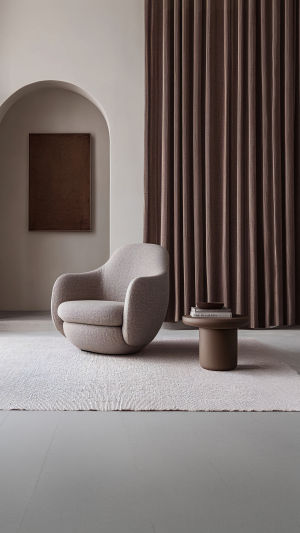
You know that moment when you walk into someone's home and instantly feel lighter, as if the space itself is taking a deep breath?
That's the magic of minimalism. It isn’t about stripping your house bare or living in a cold, empty box. Minimalism is about creating a home that feels calm, intentional, and full of space to live your life—not just store your stuff.
<h3>1. Start With What You Already Own</h3>
Minimalism begins with subtraction, not addition. Before buying new furniture or storage bins, take a good look around. Which items truly add value to your daily life, and which ones are just taking up space? If you haven't used that extra set of dishes in two years, it's probably safe to let them go. One practical trick is the “cardboard box test”: put questionable items in a box, store it out of sight for a month, and see if you miss them. Chances are, you won't. This process makes decluttering less intimidating—you’re not saying goodbye forever right away, just testing how much you actually need.
<h3>2. Focus on One Room at a Time</h3>
Decluttering your entire home at once can feel overwhelming. Instead, start with one room where a calmer atmosphere would make the biggest difference—perhaps your bedroom, since that's where you rest, or your living room, where guests gather. Clear surfaces first, then move on to hidden spaces like drawers and closets. Each finished room will give you momentum to tackle the next. You’ll also notice how much more peaceful it feels to step into a space that isn’t overflowing. That sense of calm motivates you to keep going.
<h3>3. Choose Quality Over Quantity</h3>
Minimalism isn't about owning the least—it's about owning what matters most. Instead of buying five cheap chairs that wobble, invest in two or three sturdy ones you’ll love for years. In the long run, this saves both money and space. The same applies to décor. A single striking piece of art on the wall can say more than shelves crowded with random trinkets. Less stress, better focus, more breathing room—that's what happens when you curate carefully. Minimalism is like editing your favorite story: you cut the fluff so the important parts shine.
<h3>4. Keep Colors and Textures Simple</h3>
Your color palette sets the mood. Soft neutrals like white, beige, and gray create a sense of openness. That doesn't mean your home has to look bland—bring in texture through materials like wood, linen, or stone. For example, a simple linen throw over a neutral sofa adds warmth without creating visual noise. Think of your home as a canvas: clean, calm, and ready to support your life rather than distract from it. Adding a single accent color—a muted green plant, a soft blue pillow, or a warm terracotta vase—can keep the space feeling alive without overwhelming the simplicity.
<h3>5. Design for Everyday Living</h3>
A minimalist home isn't just for show—it should work beautifully for daily routines. Place hooks near the door for coats and bags so clutter doesn’t pile up. Keep only your most-used cooking tools within reach, and store the rest neatly. In the bathroom, a simple tray can keep daily essentials tidy without crowding the counter. When everything has a clear purpose and place, you’ll spend less time cleaning and more time actually enjoying your space. That’s when minimalism stops being just a design style and becomes a lifestyle shift.
Minimalism isn't about denying yourself—it’s about making room for what matters. When your home is lighter, your mind feels lighter too. Imagine coming home, dropping your keys on a clear counter, and breathing in the calm instead of tripping over yesterday's clutter. That’s the gift of simplicity, one you can give yourself, one room and one choice at a time.


