

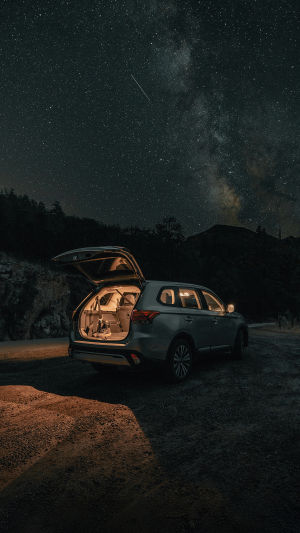
Nighttime driving offers a peaceful experience with fewer cars on the road, but it also comes with its own set of challenges.
One of the trickiest situations is meeting another car head-on, especially in low-visibility conditions.
Whether it's a winding country road or a dimly lit highway, knowing how to handle these encounters can make the difference between a smooth drive and a hazardous situation. Here's what you need to know about night-time oncoming traffic etiquette and techniques to stay safe and courteous.
<h3>Dim Your High Beams</h3>
One of the most important etiquette rules when meeting another vehicle at night is to adjust your headlights. The glare from high beams can be blinding to the other driver, increasing the risk of accidents. High beams are meant for use when you're driving in areas with little to no street lighting, but they should always be dimmed when approaching or being approached by other vehicles.
<b>Actionable Tip:</b> Always dim your high beams when you're within 500 feet of an oncoming vehicle. If you're in a situation where you're passing a car on a two-lane road, be sure to switch to low beams to avoid blinding the other driver.
<b>What to Do:</b> Keep an eye on your rearview and side mirrors. If you notice another car approaching, make sure your headlights are on low beam before it gets too close.
<h3>Use Proper Lane Positioning</h3>
When you're driving at night and encounter an oncoming vehicle, positioning your car properly on the road is key. Avoid drifting too far to one side, as it might give the impression of encroaching into the other vehicle's lane. Instead, stay centered in your lane and give yourself enough space to react if the other car swerves.
<b>Actionable Tip:</b> On narrow or poorly lit roads, slow down slightly as you approach the oncoming car. This allows you to have more time to react and gives the other driver more room to navigate safely.
<b>What to Do:</b> If the other vehicle is too close to the center line, make sure you're not hugging the side of the road. Maintaining a proper distance from the edge of your lane ensures both drivers can maneuver safely.
<h3>Don't Flash Your Lights Aggressively</h3>
Flashing your headlights to warn someone of your presence can be useful, but flashing them too aggressively—especially when approaching an oncoming vehicle—is not advised. It could confuse the other driver or lead to unnecessary stress, especially if they're already struggling with visibility.
<b>Actionable Tip:</b> A gentle flash of the high beams can be used to alert another driver who may not have their lights on, but make sure it's brief and not meant to intimidate.
<b>What to Do:</b> If you're the one being flashed, don't take it personally. It's often just a warning. Stay calm, and continue to drive cautiously, adjusting your headlights as needed.
<h3>Watch for Pedestrians or Animals</h3>
At night, it's not just the vehicles you need to worry about. Pedestrians and animals can be hard to spot in poorly lit areas, and they often appear suddenly. When meeting another car, be mindful of your surroundings, especially if you're on roads with limited visibility.
<b>Actionable Tip:</b> If you're driving in areas where wildlife is common, reduce your speed when approaching other vehicles, as they may be obscured by the headlights of the other car.
<b>What to Do:</b> Stay alert and keep your headlights aimed properly. This will not only help you spot any pedestrians or animals but will also give the oncoming driver a clearer view of the road.
<h3>Use Your Horn Wisely</h3>
Using your horn can be a helpful tool, but it's important to use it sparingly at night. A sudden honk can startle an oncoming driver and could lead to confusion or panic. Instead, use the horn in situations where it's absolutely necessary, like when there's a clear risk of collision.
<b>Actionable Tip:</b> Use your horn to warn drivers who may be veering into your lane or not yielding to oncoming traffic. However, always use a short, brief honk, and avoid long, continuous honking.
<b>What to Do:</b> If you're ever in doubt about whether to use your horn, it's often better to stay quiet and rely on adjusting your speed and position on the road to avoid a collision.
<h3>Adjust Your Speed</h3>
When driving at night and approaching another vehicle, adjusting your speed is essential for safety. Nighttime driving typically offers less visibility, so it's important to slow down when you're uncertain of the road ahead or when you know you'll encounter oncoming traffic.
<b>Actionable Tip:</b> If you're traveling at a faster pace, slow down when you see headlights in the distance. The other driver might be speeding too, and this gives both of you more time to react.
<b>What to Do:</b> Always drive at a speed that allows you to stop within the distance that you can see clearly. On poorly lit roads, it's especially crucial to reduce your speed.
<h3>Be Prepared for Unexpected Situations</h3>
At night, anything can happen. A vehicle might break down, can burst or there could be debris on the road. When meeting another vehicle, stay prepared for sudden stops or swerves. Keep your distance and maintain a defensive driving mindset.
<b>Actionable Tip:</b> Always keep extra space between you and the car ahead of you, especially in low-visibility situations. This will give you time to react if the other driver makes an unexpected move.
<b>What to Do:</b> Keep your eyes on the road, and be prepared to adjust your speed or lane position in case of any surprises. This will help you stay safe and avoid collisions.
<h3>Final Thoughts</h3>
Driving at night can be a peaceful experience, but it also demands extra caution, especially when you encounter oncoming traffic. By practicing proper etiquette—dim your headlights, adjust your speed, and stay alert—you not only keep yourself safe but also show courtesy to other drivers.
Remember, a little awareness and patience can go a long way in making night-time driving smoother and more enjoyable for everyone on the road. Keep these tips in mind, and you'll be ready for anything that comes your way after the sun sets.


