

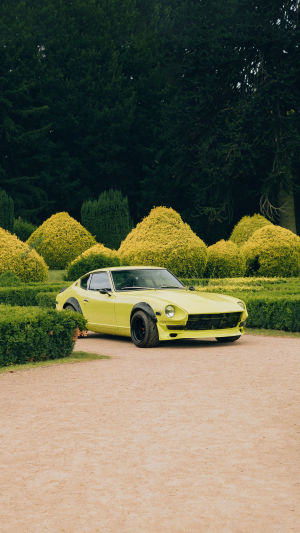
Strolling through a dealership, it's easy to see two worlds collide: the sleek, polished luxury models gleaming under bright lights, and the modest, practical economy cars parked nearby.
Each type attracts very different buyers, but the decisions often go deeper than price or performance.
Psychology plays a huge role—luxury buyers often seek status and emotional satisfaction, while economy car buyers focus on practicality, cost, and reliability.
Understanding these motives can clarify why some people prioritize comfort and prestige, while others choose efficiency and long-term value.
<h3>Status and Emotional Appeal</h3>
Luxury cars aren't just vehicles—they're symbols. Buyers are often drawn to the feeling of prestige, exclusivity, and the subtle message the car sends about success and taste. Features like leather interiors, advanced sound systems, and high-end finishes satisfy emotional desires as much as functional needs.
<b>Example:</b> A luxury sedan may include handcrafted leather seats, ambient interior lighting, and a panoramic sunroof. These details create a sense of sophistication and exclusivity that resonates with buyers seeking affirmation of success.
<b>Actionable Tip:</b> If you're considering a luxury vehicle, list the features that truly enhance your daily experience versus those that simply signal status. This helps avoid overpaying for purely symbolic benefits.
<h3>Practicality and Value</h3>
Economy car buyers often prioritize functionality, fuel efficiency, and affordability. The appeal lies in minimal maintenance costs, reliable performance, and smart financial decisions. Features like compact size, high fuel economy, and easy-to-use tech make these cars ideal for commuting, city driving, or first-time owners.
<b>Example:</b> A subcompact car with a fuel efficiency of 35–40 mpg, low insurance costs, and a reputation for reliability offers peace of mind and predictable expenses. Millennials or budget-conscious buyers often favor these traits over luxury branding.
<b>Actionable Tip:</b> Create a total cost comparison. Factor in fuel, insurance, maintenance, and depreciation to understand long-term value. Sometimes a less flashy model saves thousands over a few years.
<h3>Performance vs. Efficiency</h3>
Performance can sway buyer psychology dramatically. Luxury models often boast powerful engines, smooth handling, and cutting-edge suspension systems, offering thrill and confidence on the road. Economy cars focus on practical performance—adequate acceleration, maneuverability, and efficiency—rather than raw power.
<b>Example:</b> A sport-luxury coupe might accelerate from 0 to 60 mph in under six seconds, appealing to buyers who enjoy spirited driving. In contrast, a compact hatchback may prioritize fuel economy and responsive city handling, perfect for urban commutes.
<b>Actionable Tip:</b> Test drive vehicles under realistic conditions. Experiencing acceleration, braking, and steering helps you evaluate whether performance aligns with your priorities or lifestyle.
<h3>Resale and Depreciation Considerations</h3>
Luxury cars depreciate faster than economy cars. Buyers psychologically weigh status against financial consequences. High-end models can lose 40–50% of their value in the first three years, while well-maintained economy cars hold value longer. Some luxury buyers accept this as part of the emotional experience; economy buyers seek stability and predictable resale.
<b>Example:</b> Buying a certified pre-owned luxury SUV can reduce depreciation concerns while still providing upscale features. For economy cars, models with strong reliability ratings often retain 60–70% of their value after three years.
<b>Actionable Tip:</b> Factor in resale value when choosing between segments. Tools like online depreciation calculators help forecast potential losses and inform smarter purchasing decisions.
<h3>Personal Identity and Lifestyle</h3>
Vehicle choice often reflects lifestyle and identity. Luxury car buyers may enjoy networking events, weekend drives, or city commutes that showcase the vehicle. Economy car buyers may focus on family needs, commuting efficiency, or environmental considerations. These choices align with personal priorities and self-image.
<b>Example:</b> A luxury SUV owner might value advanced entertainment systems and sophisticated design for social outings, while an economy SUV owner may prioritize cargo space, fuel efficiency, and low-cost maintenance for family trips.
<b>Actionable Tip:</b> Write down your daily routines and driving habits. Match vehicle features to lifestyle needs rather than external expectations to ensure satisfaction and practicality.
Choosing between luxury and economy cars isn't just a financial decision—it's a psychological one. Buyers weigh status, emotional satisfaction, practicality, and lifestyle alignment differently. Understanding these motivators helps prospective owners make choices that suit their values, habits, and long-term satisfaction.
Whether opting for prestige or practicality, the right vehicle can complement personality and enhance daily life, turning driving into more than just transportation—it becomes an expression of identity.


