

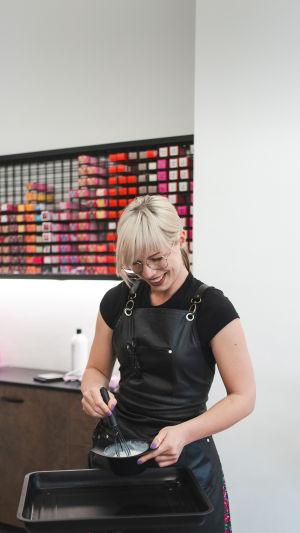
Ever stared at a row of hair dye boxes and felt completely lost? Choosing a color off the shelf can feel like guessing in the dark.
Creating a personalized formula ensures your hair turns out exactly as imagined—vibrant, balanced, and suited to your style.
<h3>Understanding Your Base Hair Color</h3>
Before mixing any dye, it's essential to know your natural hair shade. Your starting point determines how much lightener, toner, or pigment you'll need to reach the desired color.
- Examine your roots and the mid-lengths for variations in darkness.
- Identify undertones—warm (golden), cool (ashy), or neutral. This affects how colors appear once applied.
- If your hair has been dyed before, expect the result to vary by section (old color can react differently than new growth).
<b>Example:</b> If your hair has warm undertones and you want an ash brown, you'll need to counteract the warmth with a cool-toned pigment.
<h3>Choosing the Right Tones</h3>
Hair color works like mixing paints. Primary pigments—red, yellow, and blue—combine to create endless shades. Understanding pigment influence ensures you avoid unwanted tints.
- Use a color wheel to see which tones neutralize others.
- For a natural look, add small amounts of secondary pigments rather than overpowering your base.
- Consider your skin tone—warm shades suit golden or olive skin, while cooler shades complement fairer complexions.
<b>Example:</b> Adding a hint of violet can neutralize brassy yellow tones in blonde hair for a cooler finish.
<h3>Calculating the Mix Ratio</h3>
Precision is key when preparing a custom formula. The ratio between base color, toner, and developer determines intensity and longevity.
- Measure each component carefully using a brush or cup with markings.
- Start with a conservative ratio if unsure; you can always adjust in future applications.
- Document the mix for repeat use, especially if maintaining highlights or balayage.
<b>Example:</b> Mix 2 parts base color with 1 part toner and 2 parts developer to achieve a medium ash brown that isn't too dark or flat.
<h3>Patch Testing for Safety and Accuracy</h3>
Even with a perfectly calculated formula, testing is essential. A patch test helps avoid allergic reactions and ensures the color turns out as intended.
- Apply a small amount to a discreet section behind the ear or nape.
- Leave it for the recommended processing time, then rinse and evaluate.
- Adjust your formula if the outcome differs from the target shade.
<b>Example:</b> A test section may reveal your hair lifts faster than expected, letting you reduce developer strength in the final application.
The FDA advises: “Do a patch test before using dye on your hair.”
<h3>Applying the Color More Evenly</h3>
Once confident with your mix, application technique affects color uniformity. Section hair evenly and start from roots if coloring all-over, or mid-lengths to ends for highlights.
- Use clips to separate hair into manageable sections.
- Apply the formula with a brush, ensuring thorough coverage.
- Follow timing instructions and check a strand only if the product directions allow it.
<b>Example:</b> For balayage, sweep the formula upwards from mid-lengths to ends for a natural gradient effect.
<h3>Aftercare to Maintain Your Shade</h3>
Custom colors need proper maintenance to stay vibrant and healthy. Choose shampoos and conditioners formulated for color-treated hair and limit heat styling when possible.
- Apply a leave-in conditioner to prevent dryness.
- Schedule touch-ups based on hair growth and fading tendencies.
- Avoid washing hair with very hot water, as it can make the color faster.
<b>Example:</b> Using a gentle sulfate-free shampoo twice a week helps preserve your custom blend for months.
Creating a personalized hair color approach is about understanding your hair’s starting point, choosing tones thoughtfully, and applying products safely and consistently. When in doubt—especially for major lightening, severe brassiness, or damaged hair—consider a professional colorist for a safer, more predictable result.


