

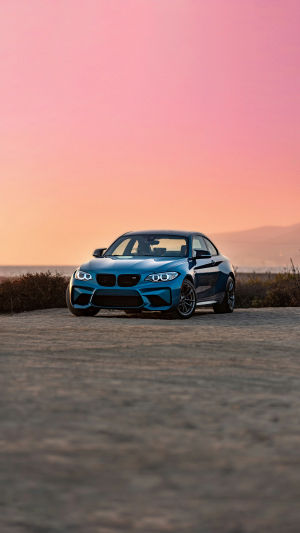
Walking past a gleaming luxury sedan in a showroom, it's easy to imagine the thrill of sliding behind the wheel, the leather scent, and the whisper-quiet ride.
Yet, a practical compact parked nearby reminds you that reliability, fuel efficiency, and affordability also carry their own appeal.
Choosing between luxury and practicality is less about which is “better” and more about understanding your lifestyle, priorities, and long-term value.
<h3>Cost Considerations</h3>
As Scott Hinderer explains in a Kelley Blue Book (KBB) guide, “Total cost of ownership is the total price to buy and operate an asset over the course of its useful lifetime.”
<b>1. Initial Purchase Price</b>
Luxury vehicles often come with a six-figure price tag or higher, reflecting premium materials, advanced engineering, and cutting-edge technology. Practical cars, in contrast, offer more accessible price points while still delivering safe and efficient transportation. When deciding, it's important to consider not just the sticker price but how it aligns with your budget and financial goals.
<b>2. Insurance and Taxes</b>
Luxury cars generally incur higher insurance premiums due to replacement costs, specialized repair needs, and potential theft risk. Taxes and registration fees may also scale with the vehicle's value. Practical vehicles, being less expensive to replace and repair, usually come with lower ongoing costs, which can make a significant difference over several years of ownership.
<b>3. Maintenance and Repairs</b>
Exotic materials, advanced electronics, and specialized components mean luxury cars can carry steep repair bills. Routine servicing may require manufacturer-certified facilities or imported parts. Practical cars benefit from widespread service networks and more affordable components, which reduces the risk of costly surprises.
<h3>Value Beyond Price</h3>
<b>1. Comfort and Driving Experience</b>
Luxury cars often prioritize comfort, with adjustable seating, superior suspension systems, and noise insulation that create a serene driving environment. For daily commutes or long journeys, these enhancements can feel like an investment in personal well-being. Practical cars may lack these frills, but modern compact and midsize vehicles have narrowed the gap with ergonomic seats and quiet cabins.
<b>2. Technology and Features</b>
Advanced infotainment systems, driver-assistance packages, and innovative safety technology are standard in many luxury vehicles. These features not only enhance convenience but also contribute to long-term safety. Practical vehicles are increasingly equipped with similar technologies, though the most cutting-edge systems may be reserved for higher trims or optional packages.
<b>3. Status and Lifestyle Statement</b>
Driving a luxury car often conveys a certain lifestyle or success level, providing intangible value that extends beyond function. For some, this status is a key factor in justifying the cost. Practical cars, while lacking prestige, offer reliability and peace of mind—qualities that appeal to pragmatic owners who value long-term practicality over social perception.
<h3>Balancing Practicality with Desire</h3>
<b>1. Assess Daily Needs</b>
Consider how the car fits your routine: commuting distance, city or rural driving, and passenger requirements. A luxury car may enhance comfort on long drives, while a practical vehicle may be easier to park and maintain for urban life.
<b>2. Evaluate Long-Term Ownership</b>
Think about depreciation, fuel economy, and potential resale value. Luxury vehicles can depreciate rapidly, though certain brands retain value better than others. Practical cars generally depreciate slower relative to cost, offering predictable ownership expenses.
<b>3. Personal Satisfaction vs. Practicality</b>
Owning a luxury car may provide emotional satisfaction and elevate daily driving into a more enjoyable experience. Practical cars deliver reliability, efficiency, and peace of mind. Understanding which factors matter most—comfort, convenience, status, or cost—guides a decision that balances desire with reason.
Ultimately, the choice between a luxury vehicle and a practical one is personal. Luxury cars reward those who prioritize experience, innovation, and refinement, while practical cars appeal to those focused on efficiency, reliability, and long-term value. By evaluating both financial and lifestyle implications, you can make a choice that suits not only your current needs but also your future expectations.
The key is recognizing that value isn't always measured in price tags. It's the balance between what brings joy, meets your needs, and ensures peace of mind every time you turn the key.


