

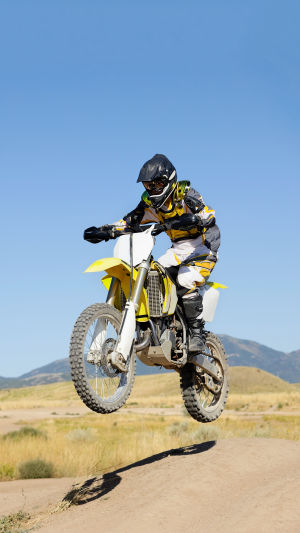
Picture yourself riding your motorcycle on a rainy evening.
The road is slick, and every curve feels like it's a little more dangerous than usual.
You lean into a turn, but instead of feeling that familiar confident grip, the bike starts to slide. This is the reality of riding in poor weather without the right gear—specifically, without tires designed to tackle those conditions. Fortunately, advancements in tire technology, particularly in slip-resistant designs, have significantly improved motorcycle stability in wet, snowy, or icy weather. These tires help riders maintain control in conditions that once felt almost impossible to navigate.
<h3>What Are Slip-Resistant Tires?</h3>
Slip-resistant tires are designed to maximize grip on wet or slippery surfaces, improving motorcycle control in challenging conditions. They achieve this by utilizing advanced rubber compounds and specialized tread patterns, which help channel water away from the tire and maintain contact with the road.
<b>1. Tread Design</b>: The key to slip-resistant tires lies in their tread patterns. These patterns often feature deep grooves or sipes that allow the tire to displace water efficiently, reducing hydroplaning risk. The grooves in the tire also increase the number of contact points with the road, offering better traction on wet surfaces.
<b>2. Rubber Compounds</b>: In addition to tread design, the materials used in the tire are crucial. Modern slip-resistant tires use rubber compounds that remain flexible at lower temperatures, ensuring the tire can grip icy or snowy surfaces without hardening.
<h3>How Slip-Resistant Tires Improve Performance in Rain and Snow</h3>
Riding in rain or snow without the right tires can be a nerve-wracking experience. Not only does your visibility decrease, but the road also becomes unpredictable. Here's how slip-resistant tires change that dynamic.
<b>1. Improved Grip on Wet Surfaces</b>: When it rains, roads quickly become slick with a layer of water, which can lead to a loss of control if your tires aren't equipped to handle it. Slip-resistant tires, however, are designed to keep their grip on wet pavement. They help disperse water under the tire, maintaining traction and preventing skidding.
<b>2. Better Control on Snow and Ice</b>: Snow and ice are particularly tricky for riders, as they make the road even more slippery. Slip-resistant tires often feature a more aggressive tread pattern and specialized compounds that help improve grip in snow and ice. This allows riders to navigate winter roads with greater confidence and control.
<h3>The Science Behind Tire Grip</h3>
The effectiveness of slip-resistant tires comes down to how they interact with the road. To understand this, it's essential to look at how traction is created and maintained.
<b>1. Contact Patch</b>: The contact patch refers to the area of the tire that makes contact with the road. A larger contact patch typically means better grip, which is why tires designed for wet and snowy conditions prioritize maximizing this area. By channeling water away and ensuring constant road contact, slip-resistant tires provide the necessary friction to keep you in control.
<b>2. Hydrodynamic Principles</b>: The design of slip-resistant tires also takes into account the hydrodynamic principles of water displacement. When riding through rain, water can create a thin barrier between the tire and the road, which can lead to hydroplaning. Slip-resistant tires minimize this risk by allowing water to flow efficiently through the tread grooves and out of the contact area.
<h3>Choosing the Right Slip-Resistant Tires</h3>
Not all slip-resistant tires are created equal, and choosing the right set for your motorcycle depends on your riding needs. Here are some tips to help you make the best choice.
<b>1. Understand the Weather Conditions You'll Be Riding In</b>: If you live in an area that experiences frequent rain, choosing a tire with deeper grooves and water channels will improve your grip in wet conditions. If you ride in snow or icy temperatures, tires with a softer rubber compound designed for cold weather will provide better traction.
<b>2. Consider Tire Width and Profile</b>: The width and profile of the tire can also impact traction. Wider tires may provide more contact with the road, but the tread pattern's design is more important in maintaining grip in slippery conditions. Ensure you're opting for tires specifically engineered for adverse weather conditions, not just any standard tire.
<h3>Real-World Example: Riders Share Their Experiences</h3>
Many motorcyclists have firsthand experience with how slip-resistant tires can improve riding safety in adverse weather. Here's a story from a rider who faced a particularly challenging situation:
<b>1. A Rider's Experience in Snow</b>: One rider shared how they had to navigate a mountain pass during an unexpected snowfall. With regular tires, they would have struggled to maintain control. However, with specially designed slip-resistant tires, they were able to safely maneuver through the snow, confidently handling the road even as it became slicker.
<b>2. Braking Performance in Wet Weather</b>: Another rider, who frequently rides in rain, noted that their bike's braking performance improved significantly after they switched to slip-resistant tires. The tires allowed them to stop more quickly and safely on wet pavement, reducing the risk of skidding.
<h3>Future Advancements in Slip-Resistant Tire Technology</h3>
As tire manufacturers continue to innovate, we can expect further advancements in slip-resistant technology. These improvements could lead to even better grip in extreme weather conditions, such as heavy snowstorms or torrential rain.
<b>1. Smart Tires with Sensor Technology</b>: The next big thing could be smart tires equipped with sensors that monitor road conditions in real time. These sensors could adjust the tire's pressure, tread pattern, or other factors to optimize traction as conditions change.
<b>2. Eco-friendly Tire Materials</b>: Another exciting development is the use of sustainable and eco-friendly materials in tire production. Manufacturers are exploring ways to create tires that are both more effective in challenging weather conditions and less harmful to the environment.
Slip-resistant tires are more than just a convenience; they're a must-have for riders who often face rain, snow, or icy conditions. By improving grip, reducing the risk of hydroplaning, and offering better control on slick roads, these tires help make motorcycle riding safer in all weather conditions. With new technologies on the horizon, these tires are only going to get better, ensuring riders can feel confident and secure on the road—no matter the forecast.


