

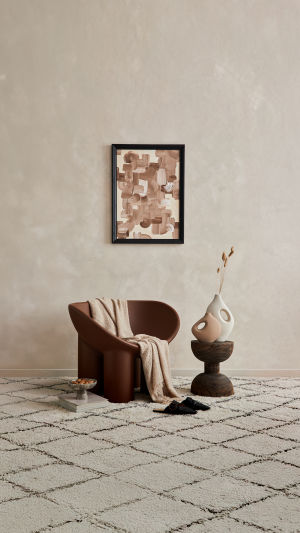
Scroll through any design magazine from a decade ago and the rooms often look surprisingly similar—matching furniture sets, neutral palettes, predictable layouts.
Walk into homes today, and you're more likely to see a curved sofa paired with a vintage lamp, handmade ceramics beside sleek shelving, and colors that feel deeply personal.
The shift isn't just aesthetic. The most defining home decor trend right now is personalization: spaces that reflect individual stories rather than showroom perfection.
<h3>From Matching Sets to Collected Spaces</h3>
<b>1. Mixing Eras</b>
Instead of buying entire coordinated furniture collections, homeowners increasingly combine pieces from different decades. A mid-century wooden sideboard can sit comfortably beneath a contemporary abstract painting. This layered approach creates visual depth and prevents rooms from feeling staged. The appeal lies in contrast—clean lines beside ornate details, smooth finishes next to textured fabrics.
<b>2. Vintage and Secondhand Finds</b>
Thrift stores, flea markets, and estate sales have become mainstream sources for decor. Beyond cost savings, secondhand pieces introduce character that new items often lack. A weathered oak table or a hand-thrown ceramic vase carries subtle imperfections that add warmth. Incorporating older items also supports sustainability by extending product lifecycles and reducing waste.
<b>3. Statement Over Uniformity</b>
Rather than filling a room with multiple small decorative objects, many designers recommend investing in one or two impactful pieces. A sculptural floor lamp or an oversized art print can anchor a room more effectively than numerous minor accents. This strategy keeps spaces intentional and visually calm.
<h3>Comfort as a Design Priority</h3>
<b>1. Curved Silhouettes</b>
Sofas with rounded arms, circular coffee tables, and arched mirrors are increasingly popular. Curves soften interiors dominated by straight architectural lines. Beyond aesthetics, rounded edges improve movement flow, especially in compact spaces. The overall effect feels welcoming rather than rigid.
<b>2. Textural Layers</b>
Texture now plays a central role in creating depth. Bouclé upholstery, woven rugs, linen curtains, and matte finishes introduce tactile interest. Even within a neutral color palette, varying textures prevent monotony. For example, pairing a smooth leather chair with a chunky knit throw can add dimension without changing the color scheme.
<b>3. Functional Layouts</b>
Open-plan living remains popular, but the focus has shifted toward practical zoning. Rugs, lighting, and furniture placement subtly define reading corners, dining areas, or workspaces. This approach reflects modern lifestyles, where a single room often serves multiple purposes throughout the day.
<h3>Nature as Inspiration</h3>
<b>1. Earth-Toned Palettes</b>
Soft clay, muted green, sandy beige, and warm brown hues are widely embraced. These tones create grounding environments that feel calm and restorative. Earth-inspired colors also pair well with natural materials, reinforcing cohesion.
<b>2. Organic Materials</b>
Wood, stone, rattan, and cotton are increasingly preferred over synthetic finishes. Solid wood tables with visible grain patterns or stone countertops with natural veining celebrate authenticity. The emphasis is less on flawless surfaces and more on natural variation.
<b>3. Indoor Greenery</b>
Plants remain a steady presence in contemporary interiors. Large leafy varieties can define corners, while smaller potted herbs brighten kitchens and windowsills. Beyond aesthetics, greenery introduces a sense of vitality and movement.
<h3>Technology with Subtle Integration</h3>
<b>1. Concealed Storage</b>
As devices multiply, storage solutions have evolved to keep cables and screens discreet. Floating media units with hidden compartments maintain clean lines without sacrificing functionality.
<b>2. Adjustable Lighting</b>
Layered lighting systems allow homeowners to shift from bright task lighting during work hours to softer ambient illumination in the evening. Warm-toned bulbs enhance relaxation, while dimmers provide control over atmosphere.
<b>3. Minimal Visual Clutter</b>
Even with advanced technology, the trend favors simplicity. Devices are integrated seamlessly into decor rather than dominating it. The goal is harmony between convenience and aesthetics.
The thread connecting these trends is intention. Instead of following a single prescribed style, people are designing homes that mirror their habits, memories, and aspirations. A handcrafted bowl picked up during travel, a restored wooden chair passed down through family, or a carefully chosen paint color that feels comforting at dusk—these choices matter more than replicating a catalog image.
Decor trends will continue to evolve, but personalization has lasting appeal. When a space reflects genuine preferences rather than fleeting fads, it feels lived-in from the very beginning. Perhaps the most meaningful trend of all is this quiet confidence: designing a home that feels unmistakably yours.


