

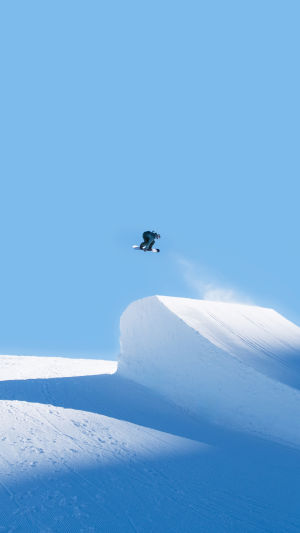
Watching a snowboarder soar through the air is exhilarating, but actually getting that feeling yourself can be intimidating.
Jumping isn't just about speed; it's about timing, body control, and knowing exactly how to approach each feature.
With focused practice and the right techniques, you can gain confidence and start hitting jumps safely while maximizing airtime.
<h3>Start with the Basics</h3>
Before attempting big air, you need a solid foundation. Begin on gentle slopes with small rollers or mini jumps. Focus on your stance, balance, and maintaining speed through the feature. Keep your knees slightly bent, shoulders aligned with the board, and eyes looking ahead—not down at your feet.
<b>Tip:</b> Practice ollies on flat ground first. This movement, where you lift the board by popping with your back foot, mimics the action needed for takeoff. Doing this regularly helps you develop the timing and coordination needed for actual jumps.
<h3>Approach and Speed Control</h3>
A successful jump starts well before you leave the lip. Approach the jump straight, with moderate speed. Too fast and you risk overshooting the landing; too slow and you won't get enough lift. Finding the right speed takes trial and error but is critical for control.
<b>Tip:</b> Use visual markers to gauge speed. For example, aim to reach the jump with a consistent pace so your landings feel predictable. If you're practicing on a terrain park, watch how experienced riders set up and match their approach rhythm.
<h3>Timing Your Takeoff</h3>
Takeoff timing is what separates a controlled jump from a messy one. As you reach the lip, bend your knees slightly and then spring upward by extending your legs. Keep your shoulders and head steady to maintain balance in the air.
<b>Tip:</b> Count the rhythm mentally: “Compress…pop…air.” Compress as you reach the jump, pop to lift off, and then prepare for landing. Repeating this mental cue helps embed the timing into muscle memory.
<h3>Air Awareness and Tricks</h3>
Once you're comfortable getting off the jump, focus on air control. Keep your knees bent and shoulders stable. If you want to try grabs or spins, start small. Simple grabs like a tail or nose grab can help you feel how your body interacts with the board in midair.
<b>Tip:</b> Practice rotating slightly before committing to full spins. For example, a 90-degree turn in the air helps you understand body rotation without risking a fall from a bigger spin. Always look in the direction of rotation to maintain orientation.
<h3>Landing Techniques</h3>
Landing safely is as important as the jump itself. Absorb the impact by bending your knees and leaning slightly forward, keeping your weight centered over the board. Avoid leaning back, as this can cause you to lose balance and fall.
<b>Tip:</b> Pick a landing area free of obstacles and with a slight incline if possible. For instance, when practicing small jumps, aim to land slightly downhill to help roll out impact and reduce strain on your legs.
<h3>Practice Progression</h3>
Gradually increase jump size as your confidence grows. Stick to one progression step at a time. For example, move from mini rollers to medium park jumps, then to larger features. Consistency and repetition are more effective than jumping big too early.
<b>Tip:</b> Record your jumps with a phone or camera. Reviewing footage helps identify posture issues, timing mistakes, or approach adjustments you might miss while riding. This feedback loop accelerates improvement safely.
Jumping on a snowboard combines physical skill with mental timing. By starting small, focusing on approach and takeoff, controlling your body in the air, and practicing safe landings, you can steadily build confidence and skill. Every successful jump reinforces your awareness and balance, making the next one feel more natural. Celebrate the small wins along the way—each airtime moment is a step closer to mastering the terrain park.


