

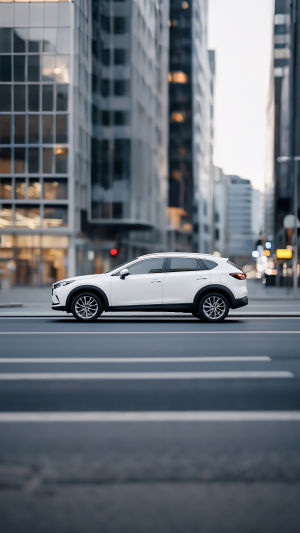
One of the trickiest skills new drivers face is merging onto highways or switching lanes in busy traffic.
Whether you're changing lanes to avoid a slower driver or entering a highway, merging correctly is crucial for your safety and the safety of those around you.
It's a skill that, once mastered, becomes second nature, but getting it right from the start can make all the difference between smooth driving and a stressful experience.
<h3>Use Your Mirrors and Signal Early</h3>
Before you even think about changing lanes, you need to check your mirrors to understand your surroundings. This will help you gauge the traffic conditions and find a safe gap. Also, signaling early is essential for alerting other drivers of your intentions, giving them time to adjust if necessary.
Here's how to do it:
<b>Check your mirrors:</b> Start by looking in your rearview mirror, then your side mirror. Always check your blind spot as well by briefly looking over your shoulder.
<b>Signal early:</b> Use your turn signal at least 3-5 seconds before you make the move. This alerts other drivers that you plan to change lanes or merge.
Giving yourself enough time to check and signal reduces the risk of surprises and ensures that others can predict your movements on the road.
<h3>Match Speed with Traffic Flow</h3>
When merging onto a highway or changing lanes, one of the biggest mistakes new drivers make is either speeding up too much or not accelerating enough to match the flow of traffic. It's important to accelerate or decelerate as needed to match the speed of the vehicles around you.
Here's how to match your speed:
<b>Adjust your speed to traffic:</b> If you're merging onto a highway, accelerate on the entrance ramp so you can enter at the same speed as the cars already on the road. If you're changing lanes, make sure you're traveling at a similar speed to the vehicle you want to merge with.
<b>Don't slow down suddenly:</b> On highways, slowing down too much can cause issues, as vehicles behind you may not expect a significant decrease in speed. Keep a steady pace.
Matching the flow of traffic ensures a smoother, safer merge and helps prevent abrupt movements that could surprise other drivers.
<h3>Look for a Safe Gap</h3>
You don't want to merge into a space that's too small or too tight. A safe gap gives you enough room to merge without cutting anyone off or forcing them to brake. Looking for a safe gap is all about being patient and waiting for the right moment.
Here's how to find the right gap:
<b>Assess the distance:</b> When changing lanes, make sure there's at least a few car lengths of space between you and the car in front. For highway merging, a larger gap is needed, typically 3-5 car lengths, depending on your speed.
<b>Don't rush:</b> Be patient—rushing can cause you to make poor decisions or get too close to other vehicles. If you don't see a gap right away, it's okay to wait a few more seconds.
Having a safe gap ensures that you can merge smoothly without having to brake or accelerate suddenly.
<h3>Steer with Confidence</h3>
When it comes time to actually change lanes or merge, confidence is key. If you hesitate or make your move too slowly, you might confuse other drivers or put yourself in a dangerous position. Once you've checked your mirrors, signaled, and found a safe gap, it's time to make the move with smooth and deliberate steering.
Here's how to steer confidently:
<b>Hold the steering wheel firmly:</b> Use a firm grip, but don't overdo it. You need to make small adjustments as you move into the gap.
<b>Maintain a steady lane position:</b> As you merge, keep your steering steady. Sudden swerves can cause other drivers to react unpredictably.
Steering confidently ensures you stay in control and make the merge quickly and safely.
<h3>Don't Overestimate Your Ability to Speed Up</h3>
A common issue new drivers face when merging onto highways is overestimating their car's ability to accelerate quickly enough to match highway traffic. Remember that not every vehicle is built to speed up rapidly. If you find yourself struggling to match the speed, don't panic.
Here's what to do:
<b>Be realistic about your car's capabilities:</b> If you're driving a car with a smaller engine or if you're driving on a steep incline, you may need more time to reach the desired speed.
<b>Use the full entrance ramp:</b> On highways, use the full length of the entrance ramp to accelerate, giving yourself plenty of time to reach the speed of highway traffic.
Understanding your car's limits will keep you from feeling rushed or panicked, making it easier to merge safely.
<h3>Keep Your Distance</h3>
Once you've merged into traffic, your job isn't over. Keeping a safe distance from the car in front of you is essential for reacting in case of sudden stops or changes in traffic flow. New drivers sometimes forget to maintain proper distance, especially in dense traffic.
Here's how to keep a safe distance:
<b>Use the two-second rule:</b> A simple rule of thumb is to leave at least a two-second gap between you and the car in front of you. In bad weather or when traveling at higher speeds, increase this distance to 3-4 seconds.
<b>Maintain awareness:</b> Constantly check your mirrors and be prepared for changes in traffic.
By keeping your distance, you give yourself more time to react to potential hazards on the road.
<h3>Final Thoughts</h3>
Mastering the art of merging takes practice, but with these tips, new drivers can gain confidence and skill on the road. By checking your mirrors, matching your speed to traffic, looking for a safe gap, steering smoothly, and maintaining a safe distance, you'll merge into any lane like a pro. Remember, the more you practice, the more natural these steps will feel, making every drive safer and less stressful.


