

The first thing you notice is the silence.
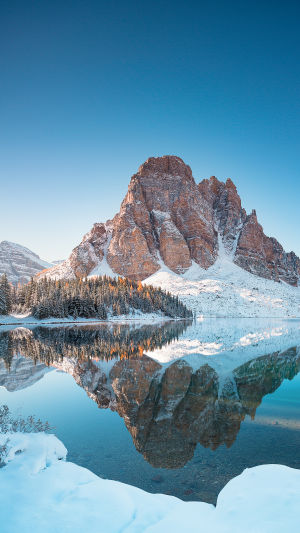
No traffic. No cell signal. Just wind moving through alpine grass and the sharp outline of Mount Assiniboine rising like a stone pyramid against the sky. You didn't just drive here—you earned it. And that's exactly why this place feels different.
Mount Assiniboine Provincial Park sits on the border of British Columbia and Alberta. It's remote, dramatic, and completely roadless. There are no highways cutting through the valleys. To get here, you hike or fly in. That single fact shapes the entire experience.
If you're planning a trip, preparation isn't optional. It's what turns this from a difficult journey into one of the most rewarding backcountry adventures in North America.
<h3>Getting There: Hike or Helicopter</h3>
There are two main access routes: hiking in or booking a helicopter drop.
<b>Hiking from Sunshine Village (Alberta)</b>
Distance: About 17 miles (27 km) one way
Elevation gain: Moderate but steady
Time: 6–8 hours depending on pace
<b>Hiking from Mount Shark Trailhead (British Columbia)</b>
Distance: About 16 miles (26 km)
Terrain: Gradual elevation, longer valley sections
<b>Helicopter Access</b>
Cost: Approximately $150–$200 one way
Duration: 10–15 minutes
Seasonal operation: Typically June through September
Helicopter seats must be reserved well in advance, especially for summer weekends. If you're carrying heavy overnight gear, this option saves energy for exploring once you arrive.
If you hike, start early—before 7 a.m. Afternoon storms build quickly in the Rockies, especially in July and August.
<h3>Camping and Lodge Options</h3>
Mount Assiniboine isn't a casual day trip destination for most visitors. You'll likely stay at least one night.
There are two primary accommodation types:
<b>Backcountry Campgrounds</b>
- Reservation required through BC Parks
- Cost: Around $10 per person per night
- Sites include tent pads and food storage lockers
<b>Assiniboine Lodge</b>
- All-inclusive mountain lodge
- Rates typically start around $300–$400 per person per night
- Includes meals and guided hikes
Reservations open months ahead and fill quickly. Campgrounds require you to carry in all supplies, including food and cooking equipment. There are no stores, no snack stands, and no backup options.
Arrive prepared. Pack secure food containers, even though lockers are available at campgrounds. Follow Leave No Trace principles strictly—this park stays pristine because visitors take responsibility.
<h3>Food and Dining</h3>
Mount Assiniboine has very limited public dining in the core area. If you stay at Assiniboine Lodge, meals are included with lodge rates from about $365 + tax per person/night for some room types, while campers should bring all food and cooking supplies backcountry camping is $18 per person/night, plus applicable fees. There are no public stores or cafés, so pack enough food and extra snacks.
<h3>The Core Experience: The Nublet and Nub Peak</h3>
If there's one hike you shouldn't miss, it's the trail to the Nublet, or Nub Peak. This short but steep route delivers the iconic view of Mount Assiniboine reflected in Lake Magog.
Distance: About 3–4 miles round trip
Elevation gain: Roughly 1,000 feet
Time: 2–3 hours with photo stops
Go at sunrise if weather allows. The mountain's east face catches early light, turning the granite golden. By midday, clouds often gather around the summit.
Bring layers. Even in July, morning temperatures can sit near 40°F (4°C). Wind picks up quickly above tree line.
For a slightly longer option, extend to Nub Peak. The higher vantage point offers broader views of surrounding glaciers and alpine lakes.
<h3>Best Time to Visit</h3>
The accessible season runs from late June through early October. Snow lingers into early summer, and trails may remain muddy in June.
July–August: Peak wildflower season. Expect busier campgrounds.
September: Cooler temperatures, fewer insects, golden larch trees.
Early October: Risk of snow but stunning alpine colors.
If you want fewer people, choose mid-September. You'll trade warmer nights for quieter trails and crisp morning air.
Mosquitoes are common in July near lakes. Bring insect repellent and lightweight long sleeves.
<h3>Wildlife Awareness and Safety</h3>
This is active wildlife territory. You may encounter mountain goats, marmots, and other alpine wildlife.
Follow these basic steps:
- Store all food securely.
- Carry appropriate safety gear and know how to use it.
- Make noise while hiking in forested sections.
- Don't approach wildlife for photos. Keep a respectful distance. Rangers and park staff monitor activity, but you're responsible for your safety.
- Water from lakes and streams must be filtered or treated. Even clear alpine water can contain harmful microorganisms.
<h3>Why It Feels Different</h3>
Mount Assiniboine stands at 11,870 feet (3,618 meters), often compared to the Swiss Matterhorn for its shape. But what makes this park special isn't just the mountain—it's the commitment required to reach it.
There's no quick roadside viewpoint. No large parking lots. No cafés waiting at the end of a boardwalk.
Instead, you carry your gear, pace your steps, and plan carefully. And in return, you get something rare: uninterrupted alpine wilderness.
<b>Less noise</b>, <b>More effort</b>, and <b>Deeper reward</b>.
On your last evening, sit near Lake Magog as the sun dips behind the ridgeline. The air cools fast. The water goes still. Mount Assiniboine darkens into silhouette against the fading sky.
You'll feel it then—the quiet satisfaction that comes from reaching somewhere not by convenience, but by intention.
If you're willing to plan ahead and put in the effort, Mount Assiniboine doesn't just show you a mountain. It gives you space to slow down, breathe deeper, and remember what wild places are supposed to feel like.


