

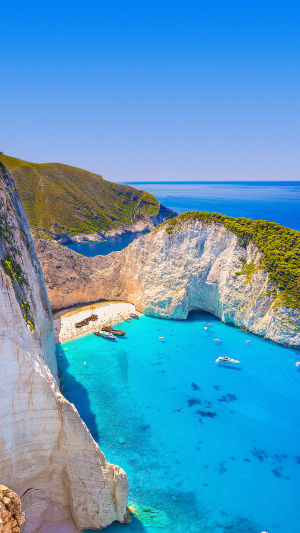
The moment you round the cliff and glimpse the turquoise water hugging soft white sand, you'll understand why Shipwreck Beach is legendary. That rusted freighter resting on the shore isn't just a photo opportunity—it's a symbol of adventure, mystery, and one of Greece's most visited spots.
Yet, behind the Instagram-perfect scene is a beach that requires a bit of planning to truly enjoy.
<h3>Getting There and Transportation Tips</h3>
Shipwreck Beach, or Navagio Beach, sits on Zakynthos' northwestern coast, accessible only by boat. There's no road leading directly down to the sand, so understanding your options is key.
<b>1. Boat Tours:</b> Most visitors opt for organized boat tours departing from Zakynthos Town or Porto Vromi. These tours range from $20 to $45 USD per person and usually last 3–5 hours, including stops for swimming. Booking early in the morning can help you avoid crowded afternoons.
<b>2. Private Boat Rentals:</b> If you prefer flexibility, renting a small boat for around $70–$120 USD per hour is a great option. You can explore the coastline at your own pace and linger longer at secluded coves nearby. A practical tip is to carry a waterproof bag for essentials like sunscreen, sunglasses, and a camera.
<b>3. Ferry & Taxi Combos:</b> For those staying farther inland, consider combining a local taxi ride with a ferry from Porto Vromi. This route can save time compared to traveling by land alone and offers a scenic introduction to Zakynthos' cliffs and turquoise waters.
<h3>Best Times to Visit</h3>
Timing can make or break your experience at Shipwreck Beach.
<b>1. Seasonal Considerations:</b> Late spring (May–June) and early autumn (September) are ideal. The water is warm, the skies are clear, and you'll face fewer crowds than peak July and August.
<b>2. Time of Day:</b> Arriving before 10 a.m. ensures calmer waters and softer lighting for photos. By noon, boats start to arrive in waves, and the iconic freighter can be surrounded by dozens of tourists.
<b>3. Weather Awareness:</b> Strong winds or rough seas can prevent boat access. Always check local weather forecasts and ask your tour provider for updates. A small change in plans might mean a quieter morning the next day, which is often worth the wait.
<h3>On-the-Beach Essentials</h3>
Even though the beach looks pristine and inviting, a little preparation goes a long way.
<b>1. Sun Protection:</b> The sand and water reflect sunlight intensely. Sunscreen with at least SPF 50 is recommended, along with a hat and polarized sunglasses to reduce glare.
<b>2. Footwear:</b> The sand is soft, but the rocks near the cliffs can be sharp. Water shoes or sturdy sandals are a smart choice if you plan to explore the edges or climb small boulders.
<b>3. Hydration and Snacks:</b> There are no food or drink facilities directly on the beach. Bring at least 1–2 liters of water per person and lightweight snacks like fruit, nuts, or granola bars. Consider packing items in a reusable, waterproof container to protect against splashes.
<h3>Making the Most of the Experience</h3>
Shipwreck Beach is more than a photo spot; it's an environment to explore actively.
<b>1. Swimming and Snorkeling:</b> The cove is perfect for a dip, with calm, clear water. Bring your snorkel gear to explore the shallow areas near the shipwreck. Fish often swim around the edges, offering quick glimpses of local marine life.
<b>2. Cliff Viewing:</b> If you have access to the north cliff viewpoint (reachable by car or scooter), the aerial perspective is breathtaking. Sunset shots from above capture the freighter in golden light, creating a dramatic contrast with the turquoise water.
<b>3. Guided History Tips:</b> Learn a little about the freighter's story—it ran aground in 1980 under mysterious circumstances. Guides often share legends and facts that make the beach feel alive, not just a static postcard scene.
<h3>Local Insights and Safety</h3>
While the beach is stunning, safety and local etiquette matter.
<b>1. Boat Etiquette:</b> Wait for your turn to dock safely and avoid overcrowding the area around the freighter. Most captains enforce short time limits to ensure all visitors get a chance to land.
<b>2. Environmental Care:</b> Pack out any trash. The natural beauty of the beach depends on visitors respecting the ecosystem, from sand to sea.
<b>3. Emergency Awareness:</b> Cell reception can be spotty. Keep a basic first-aid kit and notify your boat operator of any plans to explore further from the main beach.
Visiting Shipwreck Beach is a mix of adventure, careful planning, and appreciation for one of Greece's most dramatic coastal spots. With the right timing, a small set of essentials, and awareness of local conditions, you can experience both the thrill of the freighter and the serenity of the cove without feeling rushed.
Next time you're on Zakynthos, set aside a day to explore beyond the usual town streets. Stand at the cliff's edge, watch the sunlight glitter across turquoise waves, and let the quiet beauty of the beach remind you why travel is as much about presence as it is about sight-seeing. Every step on that sand feels like a tiny adventure, waiting to be discovered.


