

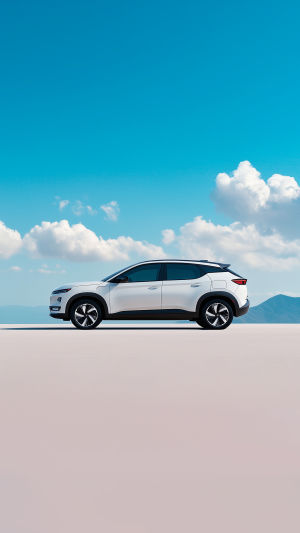
Picture this: your morning commute is hectic, and your weekend involves a grocery run with the kids.
Different vehicles handle these scenarios differently, so picking the right car isn't just about size or brand—it's about how it fits your life. Let's explore how to decide between a family-friendly home car and a daily commuter car.
<h3>Purpose and daily usage</h3>
The primary function of the car should guide your choice.
<b>Home-focused family cars:</b> These are ideal for trips with children, groceries, or weekend outings. For example, a mid-size SUV with spacious seats and cargo room makes hauling sports gear or grocery bags easier.
<b>Commuter cars:</b> Designed for efficiency and comfort during daily travel, these vehicles excel in fuel economy and maneuverability in traffic. A compact sedan or hybrid hatchback can reduce fuel costs and make city driving less stressful.
<b>Actionable tip:</b> Track your weekly mileage and cargo needs. If most drives are under 20 miles with light loads, a commuter car may suffice. For larger families or frequent errands, a home-oriented car is more practical.
Aligning the car with your actual usage saves time, stress, and money.
<h3>Size and interior space</h3>
Space matters depending on passengers and belongings.
<b>Family cars:</b> Look for three-row seating or ample legroom. Example: a crossover SUV can comfortably seat five people while still offering storage for weekend trips.
<b>Commuter cars:</b> Compact sedans or small hatchbacks make parking easier and reduce fuel consumption. A two-person commute with minimal cargo doesn't require extra space.
<b>Practical advice:</b> Test how your regular load—laptop bag, shopping, or sports gear—fits. A cramped car can add daily frustration, while excessive space in a commuter car may feel unnecessary.
Choosing the right size ensures comfort without wasting money on unused capacity.
<h3>Fuel efficiency and running costs</h3>
Efficiency affects both your budget and convenience.
<b>Family cars:</b> Larger vehicles often consume more fuel. A full-size SUV may average 20–25 mpg, but options like hybrid SUVs are improving efficiency without sacrificing space.
<b>Commuter cars:</b> Compact and hybrid models often exceed 35 mpg, reducing fuel expenses over the year. For example, a commuter using 12 gallons weekly may spend $50 less than a larger sedan covering the same distance.
<b>Tip:</b> Factor in insurance, maintenance, and tire costs. Commuter cars usually cost less to maintain, while family cars may need larger tires and more frequent servicing due to heavier loads.
Running costs can strongly influence long-term satisfaction with your choice.
<h3>Comfort and convenience features</h3>
Daily comfort makes driving more enjoyable.
<b>Family cars:</b> Features like rear-seat entertainment, multiple USB ports, and climate zones enhance long drives with passengers. For example, an SUV with adjustable rear seats can prevent squabbles on long trips.
<b>Commuter cars:</b> Focus on driving comfort and connectivity. Heated seats, advanced driver-assist systems, and smooth transmissions reduce stress during rush hour.
<b>Practical suggestion:</b> Prioritize features based on where you spend the most time. If your daily commute is long, comfort features in a commuter car pay off more than back-seat entertainment.
Comfort isn't a luxury—it's a daily necessity that impacts satisfaction.
<h3>Resale value and future needs</h3>
Consider long-term use and potential resale.
<b>Family cars:</b> SUVs and crossovers often hold value well due to continued demand for spacious vehicles. Choosing models with safety ratings and reliability can improve resale.
<b>Commuter cars:</b> Fuel-efficient sedans and hybrids can appeal to a broader audience when selling. Newer technology like electric or hybrid options may retain value better in evolving markets.
<b>Actionable approach:</b> Anticipate lifestyle changes. A growing family may need a larger car soon, while a commuter who plans shorter drives might prioritize efficiency over space.
Planning ahead ensures your choice remains practical and financially sound over time.
Choosing between a home-oriented family car and a daily commuter car comes down to understanding your lifestyle, daily needs, and long-term plans. Family cars offer space, comfort, and versatility, while commuter cars excel in efficiency, maneuverability, and low running costs.
By evaluating purpose, size, fuel efficiency, comfort, and resale value, you can select a vehicle that fits your life seamlessly—making every drive enjoyable, whether it's the morning commute or a weekend adventure.


