
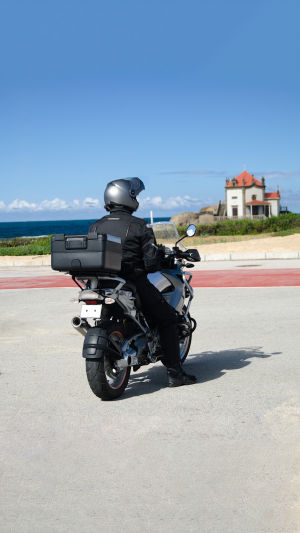
You've probably seen motorcycles weaving through traffic and wondered how much smarter they could be.
Today, smart motorcycles aren't just about flashy gadgets—they're reshaping how industries operate, making rides safer, deliveries faster, and maintenance smarter.
Let's explore how these intelligent machines are leaving a mark across multiple sectors.
<h3>Logistics and Delivery</h3>
Smart motorcycles are revolutionizing the delivery world. By combining GNSS tracking, real-time traffic data, and IoT connectivity, these bikes optimize routes and reduce delays.
- Dynamic Route Planning: A smart motorcycle can analyze traffic patterns in real time, rerouting drivers around congestion. For example, a delivery service using these bikes reported cutting delivery times by 20% during rush hour.
- Inventory Tracking: Equipped with sensors, smart bikes can monitor packages during transit. Notifications alert customers when a package is nearby or if there's a delay.
- Automated Scheduling: Some fleets use AI to assign deliveries automatically, ensuring the closest available rider takes the next order. This reduces idle time and improves overall efficiency.
Implementing these systems requires careful planning. Companies need to train staff on using connected dashboards, maintain the sensor systems, and ensure software updates are consistent.
<h3>Safety and Accident Prevention</h3>
Motorcycle safety is a top concern, and smart tech is stepping up. Intelligent systems now help riders prevent accidents before they happen.
- Collision Detection: Advanced sensors detect sudden braking or erratic movements from nearby vehicles. Riders receive immediate alerts, giving extra reaction time.
- Blind Spot Monitoring: Cameras and proximity sensors notify riders about vehicles approaching from angles they can't see, reducing lane-change collisions.
- Emergency Assistance: In case of a crash, smart motorcycles can automatically alert emergency services with the rider's location, saving crucial minutes.
For companies or individuals, adopting these safety features can involve retrofitting existing motorcycles with sensors or choosing fully integrated smart bikes. Regular calibration of sensors and software updates is critical for consistent performance.
<h3>Fleet Management and Maintenance</h3>
Managing a fleet of motorcycles becomes simpler with intelligence built into the bikes. Data-driven insights help operators prevent breakdowns and optimize usage.
- Predictive Maintenance: Sensors monitor engine temperature, brake performance, and tire pressure. Alerts for maintenance before a failure occurs reduce downtime and repair costs.
- Usage Analytics: Fleet managers can track mileage, fuel efficiency, and riding behavior. For instance, identifying riders who brake harshly or accelerate aggressively helps improve safety and extend bike life.
- Remote Diagnostics: Mechanics can access diagnostic data remotely, allowing quick troubleshooting without physical inspection. This speeds up repairs and keeps bikes in the field longer.
To maximize benefits, operators should integrate these data streams into a central management platform, train staff to interpret analytics, and schedule regular software and hardware updates.
<h3>Urban Mobility and Smart Cities</h3>
Smart motorcycles are becoming a key component of urban mobility solutions. By connecting to city infrastructure, they contribute to smoother traffic flow and lower congestion.
- Traffic Signal Communication: Some bikes can sync with traffic lights, adjusting speed to reduce stop-and-go delays, which lowers fuel consumption and emissions.
- Parking Assistance: Connected motorcycles can identify available parking spots in crowded urban areas, saving time and reducing illegal parking fines.
- Integration with Public Transport: Sharing data between bikes and public transit systems allows cities to design more efficient multimodal transportation plans.
Cities adopting these innovations often start with pilot programs in high-traffic areas, gradually scaling as the tech proves reliable. Riders benefit from reduced travel time, while city planners gain valuable mobility insights.
<h3>Recreational and Lifestyle Applications</h3>
Smart motorcycles aren't just for work—they're enhancing recreational riding and lifestyle experiences.
- Route Recommendations: GNSS systems suggest scenic routes or hidden spots based on weather and rider preferences.
- Performance Tracking: Riders can monitor speed, lean angle, and braking patterns to improve skills safely.
- Connected Communities: Apps allow riders to share routes, tips, and experiences, creating a network of enthusiasts who can ride together or track each other's journeys.
These features often come built into premium smart motorcycles, or can be added via compatible devices and apps. Consistent software updates ensure riders access the latest safety and navigation tools.
Riding a smart motorcycle isn't just about getting from point A to point B—it's about efficiency, safety, and enjoyment all rolled into one. From delivery fleets to urban commuting, predictive maintenance to recreational adventures, intelligent motorcycles are proving they can handle much more than speed alone. The future of two-wheeled transport isn't just smart—it's connected, aware, and ready to transform how we move.


