

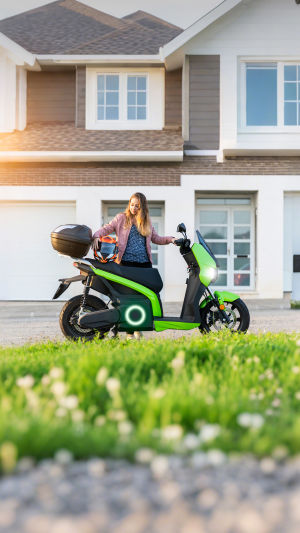
You've probably noticed motorcycles getting sleeker, smarter, and more connected. Imagine what the next ten years will bring—riders zipping through cities on bikes that almost think for themselves.
The motorcycle industry is gearing up for dramatic changes, and understanding these shifts can help riders, fleet operators, and enthusiasts stay ahead.
<h3>Electric and Hybrid Revolution</h3>
The push toward electric mobility isn't slowing down. In the next decade, electric motorcycles are likely to dominate urban streets, changing how people ride and maintain their bikes.
- Improved Battery Life: Batteries will become lighter, charge faster, and last longer. Riders could expect 300–400 miles on a single charge, making long trips easier and reducing range anxiety.
- Hybrid Options: Hybrid motorcycles combining electric and small combustion engines will cater to riders who need flexibility. For example, a hybrid bike could run on electricity in city traffic and switch to fuel for highway cruising.
- Affordable Adoption: Costs of electric motorcycles will continue to drop. Riders and small delivery fleets can adopt greener options without breaking the budget, boosting both environmental and economic benefits.
Riders should start familiarizing themselves with charging infrastructure, battery care, and new maintenance practices to make the transition smooth.
<h3>Smart and Connected Bikes</h3>
Motorcycles will become more like computers on two wheels, with systems that monitor everything from performance to safety.
- Real-Time Diagnostics: Sensors can track engine health, tire pressure, and brake wear. Riders can receive instant alerts on their phones, preventing small issues from becoming major problems.
- Navigation Intelligence: Advanced GNSS systems will integrate traffic data, suggesting optimal routes and even adjusting speed to sync with traffic lights.
- Rider Assistance Features: Expect adaptive cruise control, collision warnings, and automatic stability control to become standard, making riding safer for beginners and pros alike.
Investing in smart tech now, even on older bikes, helps riders get accustomed to connected systems, ensuring they're ready for the next generation of motorcycles.
<h3>Urban Mobility Integration</h3>
Cities are evolving, and motorcycles will play a key role in urban transportation. Smaller, nimble bikes will reduce congestion and integrate with other modes of transport.
- Micro-Mobility Solutions: Compact electric motorcycles could serve as shared mobility options, allowing commuters to hop from public transit to their destination quickly.
- Parking Innovations: Smart parking sensors and apps will make finding legal spots fast and easy, cutting down time spent circling blocks.
- Traffic Flow Coordination: Connected motorcycles could communicate with traffic lights and other vehicles to improve overall traffic efficiency, reducing commute times and emissions.
Urban riders should explore city-friendly bike designs, lightweight models, and apps that integrate with municipal transport systems to take full advantage of these trends.
<h3>Design and Rider Experience</h3>
The next decade will also see motorcycles becoming more user-focused, balancing style, comfort, and functionality.
- Customizable Ergonomics: Adjustable seats, handlebars, and footpegs will allow riders of different sizes to find the perfect fit, reducing fatigue on long rides.
- Adaptive Suspension: Bikes will adjust suspension automatically based on road conditions, providing smoother rides in cities, highways, or off-road trails.
- Enhanced Entertainment and Connectivity: Integrated displays with music, navigation, and connectivity to smart devices will make rides more enjoyable and safer by keeping hands on handlebars.
Riders can look for models with modular designs or upgradeable tech to keep up with evolving trends without buying a new bike every few years.
<h3>Sustainability and Materials</h3>
Environmental consciousness will influence both production and design, with bikes becoming greener from the ground up.
- Recycled Materials: Frames, plastics, and components will increasingly come from sustainable sources, lowering environmental impact.
- Low-Emission Manufacturing: Factories will adopt cleaner production techniques, making the entire supply chain more eco-friendly.
- Energy-Efficient Components: Motors, lighting, and electronics will consume less energy, extending battery life and reducing overall resource use.
Riders interested in sustainability should prioritize bikes with certified green components, energy-efficient electronics, and brands that commit to ethical manufacturing practices.
The next ten years promise motorcycles that are cleaner, smarter, and more integrated into daily life than ever. From electric breakthroughs to smart safety systems and urban mobility innovations, the industry is set to change how we ride, work, and commute. Staying informed now gives riders the chance to adapt early, enjoy safer rides, and be part of a sustainable motorcycle future.


