

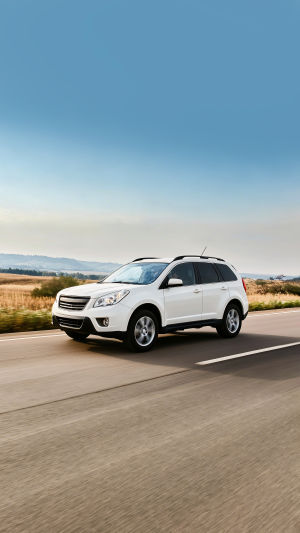
When you buy a car, you're not just purchasing it for the moment—you're also making an investment, and like any investment, you want to know how much of it you can get back when it's time to sell or trade it in.
The value of a car, also known as its resale value, will often determine how much you can recoup after a few years. But how do you know which car will retain its value and which will lose it fast? Let's break it down.
<h3>1. Research the Brand's Reputation</h3>
The brand of the car can have a huge impact on its ability to retain value. Some brands are known for their longevity and reliability, while others are more prone to depreciating quickly.
• Luxury Brands: Cars from luxury brands like BMW or Mercedes-Benz can be tricky. While they often start with a higher value, some models depreciate faster due to higher maintenance costs and rapid technology cycles.
• Japanese Brands: Brands like Toyota, Honda, and Subaru are well-known for their strong resale value. Their vehicles are often reliable and have fewer costly repairs, which helps them retain value longer.
• American Brands: Brands like Ford and Chevrolet tend to hold their value better than some European models, particularly with popular models like the Ford F-150, which is known for strong resale value.
• Consider the Model: Even within a brand, some models fare better than others. For example, Toyota's Tacoma pickup truck holds its value well, while some sedans might not.
Researching the historical resale performance of brands can give you a solid starting point in making a wise purchasing decision.
<h3>2. Check the Vehicle's Reliability and Durability</h3>
A car's ability to remain operational without requiring expensive repairs is a key factor in its resale value. The more reliable and durable a car is, the better it will hold its value over time.
• Reliability Ratings: Websites like J.D. Power and Consumer Reports provide reliability ratings for almost every make and model. These ratings are based on consumer feedback and long-term performance, helping you identify vehicles that are less likely to break down or need costly repairs.
• Maintenance Costs: The less you have to spend on repairs and maintenance, the better your car's resale value will be. Some vehicles, especially luxury ones, may require expensive maintenance that decreases their appeal in the used car market.
• Engine and Transmission Longevity: Cars with a reputation for lasting a long time, such as those with a durable engine and transmission, generally retain their value better. The Toyota Corolla, for example, has a long history of high reliability and low maintenance costs, making it a solid choice for resale.
By choosing a vehicle that has a reputation for reliability and low maintenance costs, you're setting yourself up for a better return when it's time to sell.
<h3>3. The Popularity of the Vehicle Model</h3>
The demand for a certain car model plays a crucial role in its resale value. If the car is in high demand, it's much more likely to retain its value better than a car that's harder to sell.
• Model Popularity: Vehicles that are in high demand, like compact SUVs, trucks, and certain sedans, tend to hold their value better. Vehicles with unique features or niche markets, such as sports cars or convertibles, may not retain their value as well due to a smaller pool of potential buyers.
• Market Trends: Keep an eye on current trends. For example, the popularity of electric vehicles (EVs) is rising, and as more people embrace EVs, their resale values could stabilize or even increase over time.
• Resale Market Demand: Cars like the Toyota 4Runner or Jeep Wrangler, which have strong brand loyalty and popularity, tend to retain their value much better than others. These cars have a dedicated fanbase, which ensures a higher demand for used models.
If you're aiming for a car that will keep its value, focus on models that have strong consumer demand, which can help you get a better price down the line.
<h3>4. Consider the Age and Mileage of the Car</h3>
One of the most significant factors affecting a car's resale value is its age and mileage. Generally, the newer the car and the fewer miles it has, the more it's worth.
• Mileage: High-mileage cars usually have a lower resale value, as the wear and tear on the engine and other key components can be a red flag for buyers. Generally, cars with under 100,000 miles are more desirable in the used car market.
• Age: Depreciation tends to slow down after the first few years. A car loses about 20-30% of its value in the first year and about 50% by the time it's five years old. After this point, the depreciation rate slows, and the car can maintain a relatively stable value.
• Service History: Cars that have a clean service record, with all maintenance done on time, will generally hold their value better. Be sure to keep all service receipts, as this can prove that the car has been well cared for.
While a brand-new car may be tempting, cars that are a few years old with low mileage often offer the best value for resale.
<h3>5. Check for Special Features and Options</h3>
Certain features and options in a car can also influence its resale value. For example, cars equipped with newer technology or safety features can be worth more.
• Technology: Vehicles with advanced features such as Bluetooth, adaptive cruise control, and backup cameras tend to hold their value better. Buyers are often willing to pay more for a car that has modern amenities.
• All-Wheel Drive or Four-Wheel Drive: In some regions, cars with AWD or 4WD are highly sought after, especially in areas with harsh weather conditions. These vehicles tend to have better resale values because of their increased utility and demand.
• Color: Believe it or not, the color of the car can impact its resale value. Neutral colors like silver, white, and black tend to be more popular in the used car market than more unique shades, which may narrow the pool of potential buyers.
When shopping for a car, consider which features are popular and ensure they align with what's in demand in the resale market.
<h3>Final Thoughts</h3>
Buying a car isn't just about getting a good deal upfront—it's also about getting the most value out of it when it's time to move on. By considering factors like the brand's reputation, reliability, popularity of the model, and features, you can make an informed choice that ensures your car will hold its value. Do your research, shop smart, and your car could still be worth something substantial down the road.


