

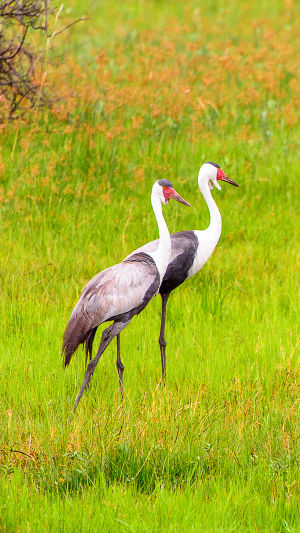
Picture yourself standing at the edge of the Okavango River Delta in Botswana, surrounded by shimmering waters, tall reeds, and the soothing sounds of nature.
Here, in the heart of the Moremi Game Reserve, we can spot some of Africa’s most elegant birds—herons. These long-legged, long-necked beauties glide silently across the wetlands, creating perfect reflections on the calm water.
Observing them in their natural habitat feels magical, as we witness the daily life of birds that have adapted to thrive in one of the world’s richest ecosystems. The delta itself stretches over thousands of square kilometers, providing diverse environments for fish, amphibians, and countless birds.
<h3>Heron Species in the Delta</h3>
In Moremi, we encounter a wide variety of herons, including the Grey Heron, the Goliath Heron, and several types of egrets. Each species brings a unique charm. The Goliath Heron, the tallest heron in the world, can stand over five feet high and has an impressive wingspan that’s unforgettable in flight. Smaller egrets, with their pure white feathers, contrast beautifully against the green reeds and blue waters, adding visual delight. We can even notice subtle differences in their beaks, legs, and hunting styles, making birdwatching here both educational and thrilling.
<h3>Behavior and Feeding Habits</h3>
Herons are masterful hunters. We often watch them standing completely still in shallow waters, eyes fixed on the fish below. Then, in a split second, they strike with precision, their long beak capturing prey effortlessly. Some species hunt alone, while others move in small groups, coordinating their movements. Observing this teaches us about patience and timing.
We also see how bitterns hide among dense reeds to blend in, using the environment cleverly for protection while waiting for the perfect moment to feed. These behaviors highlight the herons’ intelligence and adaptability, making each sighting fascinating.
<h3>Nesting and Breeding Areas</h3>
We are equally captivated by where herons choose to nest. Tree-nesting species perch on tall branches, keeping their chicks safe from predators. Others, especially bitterns, hide in thick reeds, making their nests nearly invisible from the ground. During breeding season, many egrets grow long decorative feathers, adding extra grace to the already stunning scenery.
We often notice parents carefully feeding chicks, demonstrating incredible dedication. Watching these nesting behaviors gives us a deeper appreciation of the delicate balance in the delta, where survival depends on clever choices, protection, and timing.
<h3>Best Times to Spot Herons</h3>
We have learned that the delta is most vibrant in the early morning and late afternoon. Morning light creates perfect reflections on the water, ideal for photography, while afternoons are lively, as herons feed and interact. The wet season, which lasts from November to April, floods large parts of the delta, making hunting easier for fish-eating birds.
Visiting during this time increases our chances of seeing herons in action—soaring gracefully above channels, striking swiftly at prey, or standing still in the reeds, almost like living sculptures. Planning visits around these hours ensures we don’t miss the most captivating moments.
<h3>Connecting with Nature</h3>
Lykkers, observing herons in Moremi is more than a birdwatching trip—it’s a chance to connect deeply with nature. We admire their patience, precision, and elegance. These birds remind us to slow down, observe, and appreciate small wonders in the wild. Every heron sighting feels like a quiet performance, a reminder of the balance and beauty that exists in untouched wetlands.
Even when surrounded by other wildlife, the herons command attention with their calm, purposeful presence. Their life reflects resilience, grace, and the intricate connections between species and habitat.
<h3>Conservation and Respect</h3>
While enjoying the delta, we also remember the importance of conservation. The Okavango Delta and Moremi Game Reserve are carefully protected, ensuring herons and countless other species continue to thrive. By respecting guidelines, keeping a distance, and minimizing disturbance, we contribute to their survival. Every observation becomes not just a personal joy, but a moment that helps us appreciate the need to protect these delicate ecosystems for future generations.
<h3>Final Thoughts</h3>
In the end, herons at Moremi are more than just birds—they are symbols of patience, elegance, and survival. We leave the delta inspired by their movements, careful hunting, and quiet confidence. Next time you visit Botswana, take a moment to pause by the water, watch a heron glide or strike, and savor the rare joy of witnessing nature in its purest form. Lykkers, these moments remind us why wildlife observation is so special, leaving memories that last a lifetime.
Xakanaxa Lagoon Heronry in Moremi, Okavango, a Ker & Downey Botswana video ... Inspiration Africa
Video by INSPIRATION AFRICA


