

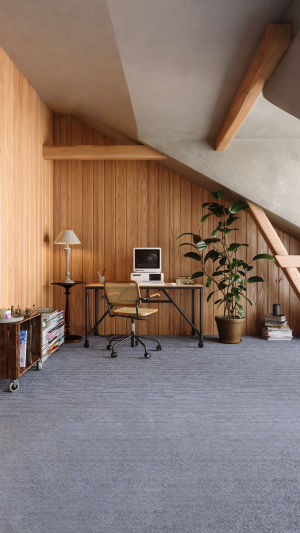
Walking into a home that feels like it carries stories from the past is instantly captivating.
Vintage-inspired interiors aren't just about old furniture—they're about creating spaces that feel warm, lived-in, and stylish while reflecting personality.
Achieving this balance requires attention to color, materials, textures, and layout, making every detail count.
<h3>Choosing the Right Color Palette</h3>
Color sets the mood and lays the foundation for a vintage style.
<b>1. Muted and earthy tones</b> – Shades like soft beige, sage green, and dusty rose create a calm, nostalgic atmosphere.
<b>2. Accent colors</b> – Deep jewel tones such as navy, burgundy, or mustard can highlight furniture or artwork.
<b>3. Layering shades</b> – Combine lighter and darker hues in walls, curtains, and rugs to create depth and warmth.
Example: Painting walls a warm cream and pairing it with a deep teal vintage armchair instantly gives a living room an inviting, retro feel without overwhelming the space.
<h3>Mixing Vintage and Modern Furniture</h3>
A vintage style doesn't mean everything has to be old; the mix creates charm.
<b>1. Statement pieces</b> – Invest in one or two authentic vintage items like a mid-century dresser or an ornate coffee table.
<b>2. Complement with modern pieces</b> – Neutral sofas or contemporary lighting keep the space functional and balanced.
<b>3. Maintain proportion</b> – Ensure furniture sizes suit the room so it doesn't feel cluttered.
Tip: A reclaimed wood dining table paired with modern chairs provides contrast while maintaining a vintage vibe, showing how old and new can coexist seamlessly.
<h3>Textures and Materials</h3>
Materials add depth and tactile richness to vintage interiors.
<b>1. Natural fabrics</b> – Linen, cotton, and wool for cushions, curtains, and throws enhance warmth.
<b>2. Wood and metal accents</b> – Wooden floors, beams, or metal-framed mirrors reinforce authenticity.
<b>3. Layered textures</b> – Mixing smooth, rough, and soft surfaces keeps the room visually engaging.
Practical example: Layering a soft wool rug over aged wooden flooring adds warmth and an authentic feel to a retro-style study or reading nook.
<h3>Decorative Accessories and Art</h3>
Small details complete a vintage look, making spaces feel curated.
<b>1. Vintage lighting</b> – Pendant lamps, chandeliers, or retro table lamps enhance the aesthetic and atmosphere.
<b>2. Art and wall décor</b> – Old posters, framed black-and-white photographs, or abstract prints provide personality.
<b>3. Collectibles and knick-knacks</b> – Antique clocks, ceramic vases, or retro figurines create focal points without cluttering.
Example: A gallery wall of sepia photographs combined with an antique wall clock can make a hallway feel like stepping back in time.
<h3>Flooring and Rugs</h3>
The right flooring grounds the vintage theme.
<b>1. Hardwood floors</b> – Dark-stained or weathered wood gives warmth and authenticity.
<b>2. Patterned rugs</b> – Persian-style or geometric rugs add visual interest and comfort.
<b>3. Layered rugs</b> – Overlapping rugs in complementary colors or textures can create depth and a cozy feel.
Tip: Using a faded rug under a coffee table immediately creates a retro touch without expensive renovations.
<h3>Lighting and Ambience</h3>
Lighting shapes the mood and emphasizes vintage charm.
<b>1. Warm bulbs</b> – Soft yellow light feels inviting and nostalgic.
<b>2. Floor and table lamps</b> – These provide flexibility and highlight key areas.
<b>3. Statement fixtures</b> – Vintage chandeliers or retro sconces can serve as both functional and decorative elements.
Practical example: Placing a brass table lamp with a linen shade next to a vintage armchair creates a reading corner that's both stylish and comfortable.
<h3>Final Thoughts on Vintage Interiors</h3>
Creating a vintage-style home is about blending nostalgia with comfort and functionality. Attention to color, texture, furniture balance, and accessories turns any space into a cozy, timeless haven. Start with one room or key pieces, observe how the elements interact, and gradually layer in more details. The beauty of vintage interiors is in their personality—they tell a story, reflect your style, and make a home feel lived-in and welcoming. Every item, from a worn wooden table to a patterned rug, contributes to the atmosphere, making the home not just a space to live, but a place to experience.


