

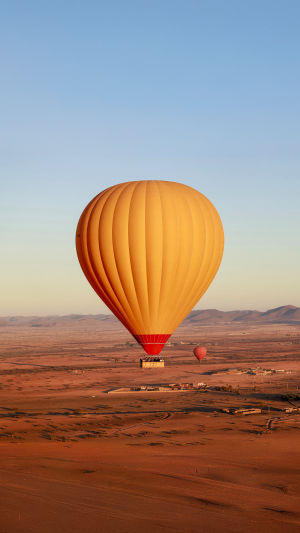
There's nothing quite like floating gently above the world, watching fields and rivers shrink below you. Hot air balloon rides feel magical, but a smooth flight doesn't happen by accident.
Paying attention to safety and preparation ensures your adventure stays unforgettable for all the right reasons.
<h3>Choose a Reputable Operator</h3>
The first step in a safe balloon experience is picking a certified and experienced company. Not all operators follow the same safety standards, so research matters.
<b>Tips:</b>
<b> Check licenses:</b> Ensure the pilot has proper certification and the company meets local aviation regulations.
<b> Read reviews: </b>Previous passengers' experiences reveal how professional and reliable the team is.
<b> Ask about equipment:</b> Balloons should be inspected regularly, with up-to-date maintenance logs.
Actionable example: Call the operator before booking and ask when the balloon was last inspected, or if the pilot has experience with flights in variable weather conditions.
<h3>Dress Appropriately</h3>
Temperature and conditions at altitude can be different from the ground, so clothing is more important than you might think.
<b>Tips:</b>
<b> Layering: </b>Morning flights can be chilly, while the basket may warm up with sunlight. Light layers let you adjust comfortably.
<b> Footwear: </b>Closed-toe, flat shoes are safest for landing and moving around in the basket.
<b> Sun protection:</b> Sunglasses and a hat protect against glare, and sunscreen shields skin even on cool, cloudy days.
Actionable example: Wear thermal layers under a windbreaker, and bring a pair of gloves. You'll stay warm without limiting movement while holding the basket edges.
<h3>Understand Weather Limits</h3>
Weather determines whether a flight happens or gets postponed. Wind, rain, or storms can make ballooning unsafe.
<b>Tips:</b>
<b> Check forecasts:</b> Look for calm winds (ideally under 10 mph) and clear visibility.
<b> Be flexible:</b> Pilots may cancel or reschedule flights for safety. Accepting this avoids unnecessary risk.
<b> Observe conditions:</b> Early morning or late afternoon flights are common because winds are usually calmer.
Actionable example: Confirm your flight time the night before and ask the operator for any backup dates in case weather turns unfavorable.
<h3>Follow Safety Briefings</h3>
Even small details make a difference in balloon safety. Pilots provide instructions before takeoff—pay attention.
<b>Tips:</b>
<b> Boarding and landing: </b>Know where to step, how to hold onto ropes or basket edges, and how to brace for impact.
<b> Movement:</b> Stay inside the basket and avoid leaning over edges during flight.
<b> Emergency procedures:</b> Understand what to do if the balloon descends quickly or encounters turbulence.
Actionable example: Practice the landing position before takeoff. Bend knees slightly and hold onto the rope or edge as instructed, so your body is ready for the gentle bump upon landing.
<h3>Health and Comfort Considerations</h3>
Balloon rides are generally low-impact, but some passengers may need to prepare for motion or altitude changes.
<b>Tips:</b>
<b> Avoid heavy meals:</b> Eat lightly to prevent nausea. Snacks and water are fine.
<b> Motion sensitivity:</b> If you get easily dizzy, consider anti-nausea measures recommended by a doctor.
<b> Physical readiness:</b> Passengers should be able to stand for the flight duration, usually 45–90 minutes.
Actionable example: Bring a small bottle of water and a light snack like an energy bar. Staying hydrated and slightly fueled helps maintain comfort during longer flights.
Hot air ballooning combines wonder and serenity, but preparation is what makes the experience truly enjoyable. From choosing the right operator to dressing smartly and understanding weather limits, each step reduces risk and enhances the magic of flight. When you approach the adventure thoughtfully, the world from above feels safe, calm, and endlessly breathtaking.


