

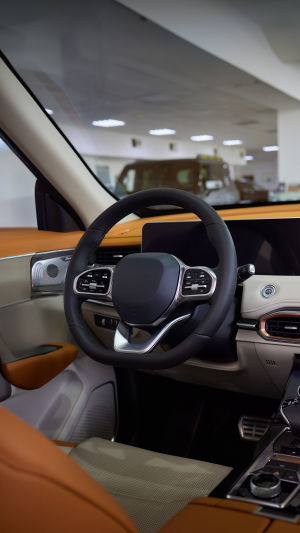
Stepping into a car used to be simple: a steering wheel, a few buttons, maybe a radio.
Today, the interior is becoming an experience in itself—immersive, interactive, and designed to anticipate your needs.
From tactile materials to fully digital dashboards, the shift from traditional to smart interiors is reshaping how we think about driving.
<h3>Redefining the Dashboard</h3>
The heart of a car's interior has always been the dashboard, but modern designs are moving beyond static dials and switches. Digital displays now adapt to driver preferences, showing navigation, media, and vehicle data in real-time. The flexibility allows manufacturers to reduce clutter while improving usability.
<b>Actionable example:</b> A driver can set a customizable display that highlights fuel efficiency during a long trip, then switch to performance metrics when taking a sporty route. Integrating touch-sensitive panels with voice control reduces the need to reach across the console, keeping eyes on the road. Designers should plan displays that can combine information logically while minimizing distractions.
<h3>Advanced Seating and Comfort</h3>
Seats are no longer just foam and fabric—they're smart, adjustable, and health-conscious. From memory settings to massage functions and climate control, seats can respond to posture, driving style, or passenger preferences. Lightweight frames and memory foam enhance both comfort and energy efficiency.
<b>Actionable example:</b> Using sensors, a seat can automatically adjust lumbar support during a long commute to prevent fatigue. For families, programmable settings let each driver recall their preferred position with a single button press, improving convenience and safety. Designers can also explore modular seating layouts for flexibility in compact vehicles.
<h3>Ambient Lighting and Mood Control</h3>
Lighting within the cabin has evolved from simple overhead lamps to fully integrated systems that enhance mood, visibility, and perception of space. Smart lighting can adjust color and intensity based on driving conditions, time of day, or even music playback.
<b>Actionable example:</b> During nighttime driving, soft blue lighting along the dashboard edges can reduce eye strain and improve focus. Meanwhile, passengers might enjoy warm tones around cup holders or door panels, creating a relaxed environment. Designers should place lights strategically to enhance aesthetics without causing glare.
<h3>Connected Interfaces and Voice Control</h3>
Connectivity is central to smart interiors. Infotainment systems now sync with smartphones, smart home devices, and navigation apps. Voice assistants allow hands-free control of climate, media, and even seat adjustments. A well-integrated interface improves safety by reducing manual input.
<b>Actionable example:</b> A driver can say, “Set temperature to 22°C and play my driving playlist,” and the cabin responds instantly. For passengers, tablets or wireless displays offer media control and route information. Designers should ensure that voice and touch controls complement each other rather than competing for attention.
<h3>Material Innovation and Sustainability</h3>
Smart interiors also incorporate new materials—lightweight composites, recycled fabrics, and soft-touch plastics—that improve both comfort and sustainability. Using advanced materials allows designers to reduce weight, enhance feel, and even improve acoustics.
<b>Actionable example:</b> Replacing traditional leather with bio-based or recycled alternatives for seat covers and trim reduces environmental impact while maintaining a premium look and tactile experience. Panels with soft-touch recycled plastics can reduce vibration and noise inside the cabin. Designers can mix materials to create visual contrast and tactile interest without adding complexity.
<h3>Personalization and Adaptive Spaces</h3>
Finally, smart interiors are about adaptability. Seats, lighting, displays, and climate can all respond dynamically to driver and passenger behavior. Future interiors may even learn preferences over time, tailoring the environment automatically.
<b>Actionable example:</b> An AI-driven system can detect when a driver tends to lower the windows or adjust the seat after a long drive and make subtle adjustments automatically in future trips. This creates a highly personalized experience that blends safety, comfort, and convenience seamlessly.
The transformation from traditional to intelligent interiors goes beyond aesthetics—it's a revolution in usability, comfort, and adaptability. Every panel, light, and display works together to anticipate needs and create a cabin that feels alive, responsive, and personalized. Next time you enter a modern vehicle, notice how the interior interacts with you: it's not just a space to drive in—it's a space that drives with you.


