

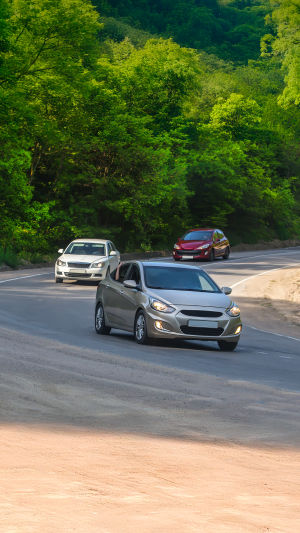
You're driving behind a slow vehicle on a two-lane road. The line of cars ahead crawls along, and your foot itches on the accelerator. You spot what looks like a gap in oncoming traffic.
Should you go for it? In that split second, the difference between a safe overtake and a dangerous risk comes down to preparation, patience, and judgment.
Overtaking isn't just about speed—it's about timing, awareness, and respect for the road.
<h3>Check If It's Really Necessary</h3>
The first rule of overtaking is asking yourself if you truly need to. Many risky moves happen because of impatience rather than necessity.
1. If you're minutes away from your exit or a passing lane, waiting may be smarter.
2. On long drives, remember that arriving a few minutes later is better than not arriving at all.
3. If the vehicle ahead is maintaining a steady speed close to the limit, the benefit of overtaking may not outweigh the risk.
Safe drivers don't just ask, “Can I overtake?” They ask, “Do I need to?”
<h3>Judge the Gap With Care</h3>
The biggest mistake drivers make is misjudging the distance of oncoming vehicles. Even cars that look far away close in quickly at highway speeds.
1. Always assume oncoming traffic is moving faster than you think.
2. If you can't clearly see a long, open stretch of road, don't commit. Curves, hills, and weather can hide danger.
3. Give yourself a wide margin. If you're hesitating, it's a sign the gap isn't big enough.
Patience here is more than a virtue—it's protection.
<h3>Use Signals and Mirrors Properly</h3>
Communication is key when overtaking. Other drivers can't read your mind, but they can read your signals.
1. Check mirrors and blind spots before pulling out. A faster car might already be overtaking you.
2. Use your indicator early enough to alert both the car ahead and those behind you.
3. After passing, don't cut in too soon. Make sure you can see the entire front of the car you've overtaken in your rearview mirror before returning to the lane.
Clear signals create smooth cooperation instead of surprise reactions.
<h3>Commit With Confidence</h3>
Hesitation in the middle of an overtake is dangerous. Once you've decided it's safe, commit fully and pass smoothly.
1. Accelerate firmly but not recklessly—you need enough speed to overtake quickly without lingering beside the other vehicle.
2. Keep your steering steady. Sudden swerves make the maneuver risky.
3. Maintain awareness of both the car you're passing and the road ahead at the same time.
Confidence doesn't mean rushing. It means executing decisively once you've judged the move safe.
<h3>Know When Not to Overtake</h3>
Sometimes the right choice is holding back. Certain situations make overtaking too risky, no matter how tempting it feels.
1. Never overtake on blind curves, narrow bridges, or near intersections.
2. In heavy rain, fog, or low visibility, treat every overtake as off-limits.
3. Be extra cautious at night. Headlights can mislead you about distance and speed.
The best drivers aren't those who overtake often—they're those who know when not to.
<h3>Practice Patience on Multi-Lane Roads</h3>
Overtaking isn't limited to two-lane highways. Even on multi-lane roads, care is required.
1. Don't weave in and out of lanes. Pick your pass, complete it, and settle back.
2. Watch for vehicles merging or changing lanes suddenly, especially in busy traffic.
3. Remember that trucks and buses need more space—overtake them smoothly and avoid cutting in too soon.
Smooth lane changes keep traffic flowing and reduce stress for everyone.
Every driver faces the temptation to overtake, but the best ones know it's not a race. Safe overtaking is less about speed and more about patience, awareness, and timing. Think of it as a test of judgment, not nerve.
One day, you'll look back and realize the most satisfying overtakes weren't the risky ones—they were the smooth, almost effortless ones that kept you calm and in control. And that's the real art of driving: arriving safely, not arriving first.


