

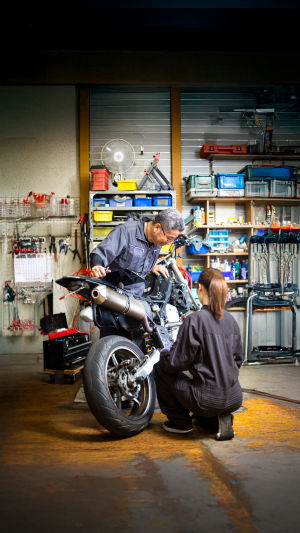
Riding a motorcycle is thrilling, but keeping it in top shape is just as important as enjoying the open road. For beginners, maintenance can feel confusing or overwhelming—but it doesn’t have to be.
With a few simple steps and regular checks, we can ensure our motorcycles stay reliable, safe, and ready for adventure every time we ride.
This beginner-friendly guide breaks down motorcycle maintenance into ten essential steps that are easy to follow, practical, and effective.
<h3>Step 1: Check Oil Regularly</h3>
Oil is the lifeblood of our engine. Without it, the engine overheats and parts wear out quickly. We should check oil levels at least once a week or before long rides.
To check, park the bike on level ground, remove the dipstick or check the sight glass, and ensure the oil level is between the minimum and maximum marks. Dirty or low oil can cause serious engine damage. A quick inspection like this takes just a minute but saves time and money in the long run.
<h3>Step 2: Change Oil on Schedule</h3>
Following the manufacturer’s recommendations for oil changes is essential. Most motorcycles need an oil change every 3,000–5,000 kilometers. Using full synthetic oil provides better protection, keeps the engine running smoothly, and even improves fuel efficiency.
We should always remember that old oil loses its lubricating properties over time, so timely changes prevent engine wear and maintain performance. Beginners often underestimate this, but consistent oil maintenance builds a strong foundation for a long-lasting bike.
<h3>Step 3: Inspect Tires Frequently</h3>
Tires are our only contact with the road, so they deserve special attention. We should check tire pressure, tread depth, and look for cracks or bulges every few rides. Properly inflated and healthy tires improve handling, braking, and cornering.
Also, check the tires for uneven wear, which might indicate alignment issues or suspension problems. Safe, well-maintained tires are key to confidence and safety on any ride.
<h3>Step 4: Brake Check</h3>
Before every ride, we need to inspect brake pads and fluid levels. Worn-out pads or low brake fluid reduce stopping power, which can be dangerous.
Brake pads usually last between 15,000–30,000 kilometers depending on usage. Checking them frequently ensures smooth braking and peace of mind when riding through city traffic or winding roads.
<h3>Step 5: Keep the Chain Clean and Lubricated</h3>
A dirty or dry chain wears out faster and reduces efficiency. We should clean and lubricate the chain every 500–1,000 kilometers.
Proper chain tension is also crucial. Too tight or too loose chains can damage both the chain and sprockets or even affect control. By maintaining a clean, lubricated, and correctly tensioned chain, we protect drivetrain components and keep the ride smooth.
<h3>Step 6: Battery Care</h3>
Motorcycle batteries need attention, especially if we don’t ride every day. We should check for corrosion on terminals, tighten connections, and recharge when needed.
A healthy battery ensures a reliable start, prevents breakdowns, and avoids the frustration of a dead bike when we’re ready to ride. Beginners often overlook batteries, but regular checks are a small effort for a huge payoff.
<h3>Step 7: Air Filter Check</h3>
The air filter keeps dust and debris out of the engine. We should inspect it every 5,000–10,000 kilometers and clean or replace it as needed. A clean air filter improves performance, fuel efficiency, and engine life.
For those riding in dusty or urban environments, more frequent checks may be necessary. Keeping the air filter in top condition helps the engine breathe easier and run more smoothly.
<h3>Step 8: Lights and Electrical Systems</h3>
We must check headlights, brake lights, turn signals, and other electrical systems regularly. Proper lighting keeps us visible to other riders and drivers.
We should also test the horn, switches, and any accessories. Any electrical issue can be a safety risk, so early detection prevents problems during rides, especially at night or in traffic.
<h3>Step 9: Nuts, Bolts, and Fasteners</h3>
Vibrations from riding can loosen screws and bolts over time. A quick monthly check helps prevent parts from coming off unexpectedly.
Pay special attention to handlebars, mirrors, footpegs, and engine mounts. Tight fasteners are a small but critical part of overall safety.
<h3>Step 10: Ride, Observe, Repeat</h3>
The final step is simple but powerful. We ride, listen, and feel how the bike behaves. Strange sounds, vibrations, or changes in performance are early warnings that something needs attention.
Combining regular observation with the ten steps above ensures a safe, smooth, and enjoyable ride every time. With practice, these checks become second nature and part of our riding routine.
<h3>Keep Rolling</h3>
Motorcycle maintenance doesn’t have to be stressful. By following these ten simple steps, we can keep our bikes in top shape, ride safely, and enjoy every journey to the fullest.
Caring for our motorcycle is caring for ourselves too. Every check, oil change, and tire inspection helps prevent problems and ensures smoother, worry-free rides. Lykkers, the more we look after our bikes, the more they reward us with reliability, fun, and confidence every time we hit the road.


