

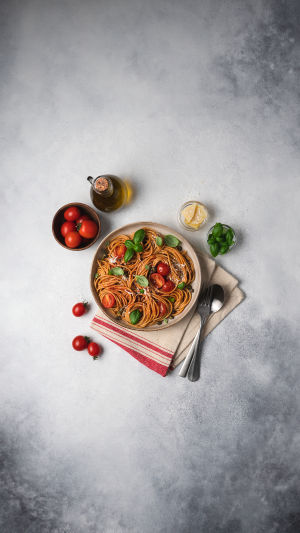
Nothing beats the smell of freshly cooked pasta wafting through your kitchen. It's comforting, satisfying, and surprisingly easy to make at home. If you've ever hesitated to try homemade pasta thinking it's complicated, this guide will show you how simple and rewarding it can be.
Cooking pasta from scratch not only tastes better, but it also gives you full control over ingredients, making it healthier and more customizable than store-bought options.
<h3>1. Choosing the Right Ingredients</h3>
The foundation of any great pasta is quality ingredients. You'll need 2 cups of flour, 3 large eggs, a pinch of salt, and a teaspoon of olive oil for extra elasticity. For a more tender texture, “00” flour is ideal—it's finely milled and perfect for pasta. Otherwise, all-purpose flour works well. Fresh, high-quality eggs add richness and flavor. For a subtle twist, you can mix in a tablespoon of semolina flour to give the pasta a slightly firmer bite. Choosing ingredients carefully makes a huge difference in the final taste and texture.
<h3>2. Making the Dough</h3>
Start by forming a mound of flour on a clean surface, creating a well in the center. Break your eggs into the well and gently beat them with a fork. Gradually incorporate the flour from the edges until the dough comes together. Knead it for 8–10 minutes until it becomes smooth and elastic. Proper kneading develops the gluten, giving pasta its signature chew. Wrap the dough in plastic wrap and let it rest for at least 30 minutes. Resting relaxes the gluten, making rolling easier and the pasta more tender. You can also refrigerate the dough for a few hours to deepen the flavor before rolling.
<h3>3. Rolling and Shaping</h3>
After resting, divide the dough into smaller portions. Roll each piece with a rolling pin or pasta machine to your desired thickness. For tagliatelle or fettuccine, aim for 1–2 millimeters. Dust with flour to prevent sticking. Cut into strips or shape according to your recipe. You can also make stuffed pasta like ravioli, adding fillings such as ricotta, spinach, or roasted vegetables. For extra flavor, brush the dough lightly with olive oil before filling to prevent sticking and enhance the taste.
<h3>4. Cooking and Serving</h3>
Bring a large pan of salted water to a boil. Fresh pasta cooks much faster than dried pasta—usually 2–4 minutes. Taste frequently to avoid overcooking. Drain and immediately toss with your favorite sauce, whether it's a simple tomato basil, creamy Alfredo, or garlic-infused olive oil. Finish with freshly grated Parmesan or a drizzle of extra pure olive oil. For added aroma, sprinkle with fresh herbs like basil or parsley. Serving pasta right after cooking preserves its texture, flavor, and moisture.
<h3>5. Tips for Perfect Pasta Every Time</h3>
- Use a large pan and plenty of water to avoid sticking.
- Stir gently during cooking to keep strands separate.
- Save a small cup of pasta water to adjust sauce consistency.
- Experiment with flavor additions—like lemon zest or black pepper—for a personal touch.
Making homemade pasta is as much about the process as the final dish. Kneading, rolling, and shaping the dough with your own hands is deeply satisfying, turning a simple meal into a creative and rewarding experience. With a little practice and attention to ingredients, you can transform everyday meals into something extraordinary, proving that homemade pasta truly beats store-bought every time.


